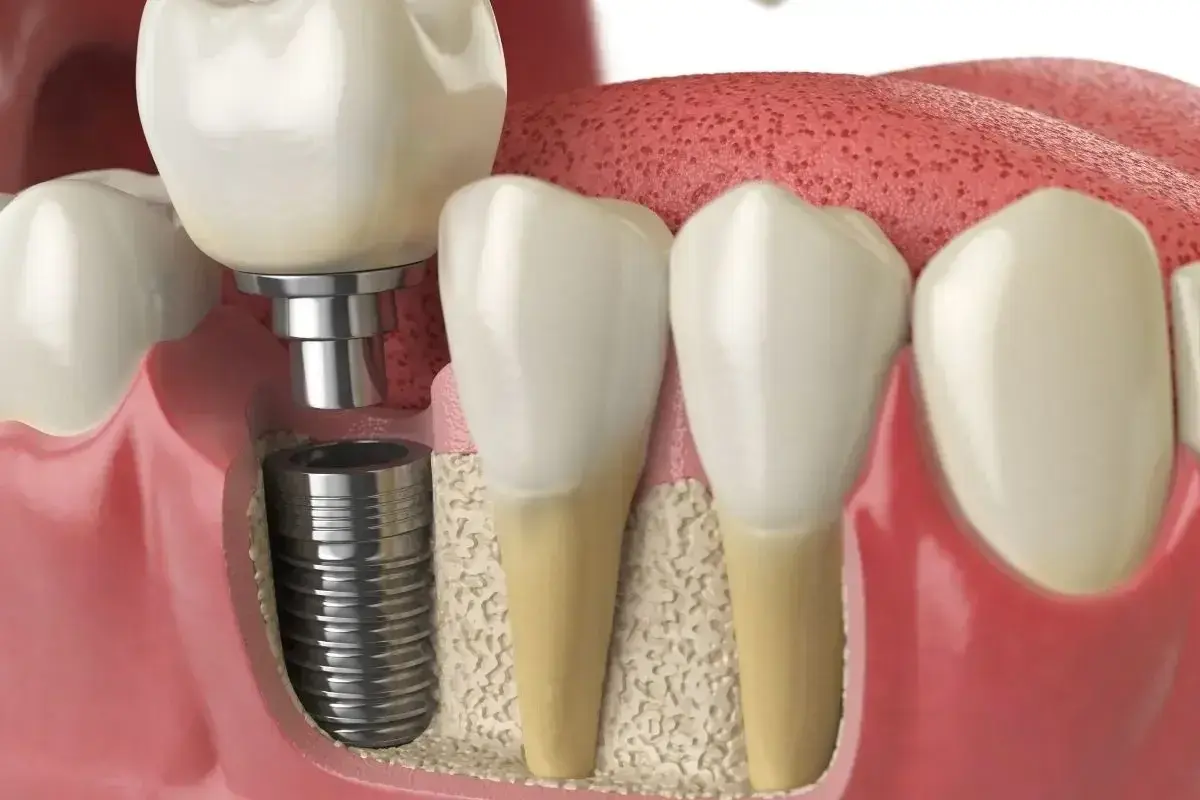
If you lost a tooth years ago, you might still be a candidate for dental implants. While the jawbone naturally changes over time, advancements in dentistry allow many patients to restore missing teeth with implants even after years have passed. At Valley View Dental in Castro Valley, we regularly evaluate patients who have delayed treatment, and with the right care, long-term tooth loss does not always prevent successful implant placement.
What Happens to Your Jaw After Tooth Loss
When a tooth is missing, the jawbone in that area no longer receives the stimulation that comes from chewing. Without this stimulation, the bone may slowly shrink, a process dentists call bone resorption. The longer a tooth has been missing, the greater the chance of bone loss.
This change in bone health is the main reason patients wonder if implants are still an option after several years. Fortunately, modern treatments like bone grafting can rebuild the foundation of the jaw so that it can support an implant securely. Many of our patients in Castro Valley have benefited from these procedures, allowing them to move forward with implant treatment when they once thought it was not possible.
Why Dental Implants Remain the Best Option
Even if you have been living with a missing tooth for a long time, dental implants are still considered the most reliable and natural-looking solution. Implants:
- Work like natural teeth, allowing you to eat and speak with confidence
- Preserve facial shape by preventing further bone loss
- Offer long-lasting stability compared to removable restorations
- Blend in naturally with your existing smile
Patients at Valley View Dental often tell us that implants have not only restored their ability to chew comfortably but also improved their overall confidence.
Determining If You Are The Right Candidate
If you are considering dental implants in Castro Valley after years of tooth loss, the first step is a consultation. During your visit, our team evaluates several important factors including:
- The amount and quality of jawbone available, often assessed with digital imaging
- The health of your gums and surrounding tissues
- Your overall health, since conditions like diabetes or smoking habits can affect healing
Even if bone loss is present, procedures such as grafting or sinus lifts can prepare the area for successful implant placement. At Valley View Dental, we use advanced diagnostic tools to create treatment plans that are tailored to each patient’s needs.
How Long Is Too Long to Wait?
There is no strict timeline that prevents someone from receiving dental implants. Some of our patients in Castro Valley have received implants decades after losing teeth. What truly matters is the current health of the jawbone and gums, not the number of years since the tooth was lost. With the right preparation, dental implants can succeed even in long-term cases.
Alternatives if Implants Are Not Immediately Possible
In some cases, implants may not be recommended right away. Temporary options such as bridges or partial dentures may be used until the jaw is ready for an implant. While these alternatives can restore function, implants remain the preferred choice because they help protect the jawbone and last much longer.
Trusted Dental Implant Care in Castro Valley
Patients often feel uncertain about their options after living with tooth loss for many years. At Valley View Dental, we have extensive experience in restoring smiles for the Castro Valley community. Our team stays current with the latest implant techniques, ensuring patients receive care that is both evidence-based and compassionate.
We believe in providing honest recommendations based on a complete evaluation of your oral health. This commitment helps our patients feel confident in their decisions and supported throughout their treatment.
Conclusion
Yes, dental implants are often possible even if you lost your tooth years ago. The determining factors are the health of your jawbone, gums, and overall condition. Thanks to modern dentistry, time does not have to prevent you from regaining a strong and natural smile.
If you are considering dental implants in Castro Valley, the best step is to schedule a consultation at Valley View Dental. Our team will assess your needs and guide you through your options so you can make an informed decision about your oral health.
FAQs
Can I still get dental implants if I lost my tooth 10 or 20 years ago?
Yes. Even if you lost a tooth decades ago, you may still be a candidate for dental implants. The main factor is whether your jawbone has enough strength and volume to support the implant. In cases of bone loss, procedures like bone grafting can rebuild the foundation needed for implants.
Does waiting too long make dental implants less successful?
Not necessarily. The success of dental implants depends on your current oral and overall health rather than the number of years since tooth loss. While waiting can lead to bone changes, modern techniques allow dentists to prepare the jaw for implants even after significant time has passed.
Are dental implants better than bridges or dentures if I lost my tooth years ago?
Yes. Dental implants are often the best long-term solution because they prevent further bone loss, function like natural teeth, and last much longer than bridges or dentures. Bridges and dentures may be used temporarily but do not protect the jawbone in the same way implants do.
Will I need bone grafting if I wait too long for implants?
It depends on the amount of bone loss. Some patients can receive implants without grafting, while others may need bone grafting to ensure stability. Your dentist will guide you after reviewing your imaging results.
How long does the implant process take if I lost my tooth years ago?
The timeline varies. If no bone grafting is needed, the process may take several months to complete. If grafting is required, healing time is added before the implant can be placed. The goal is to ensure a stable, long-lasting result.