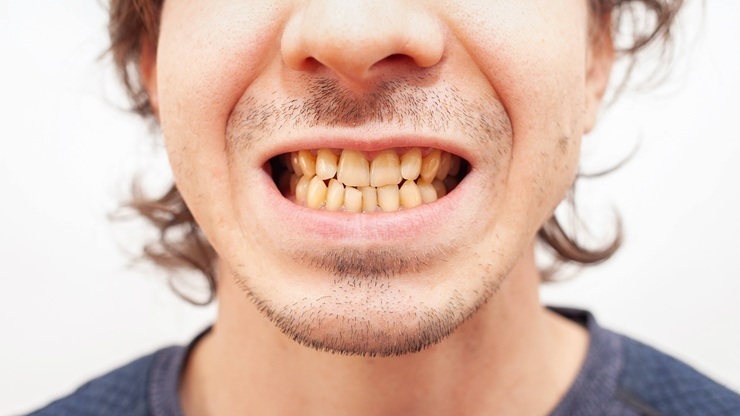
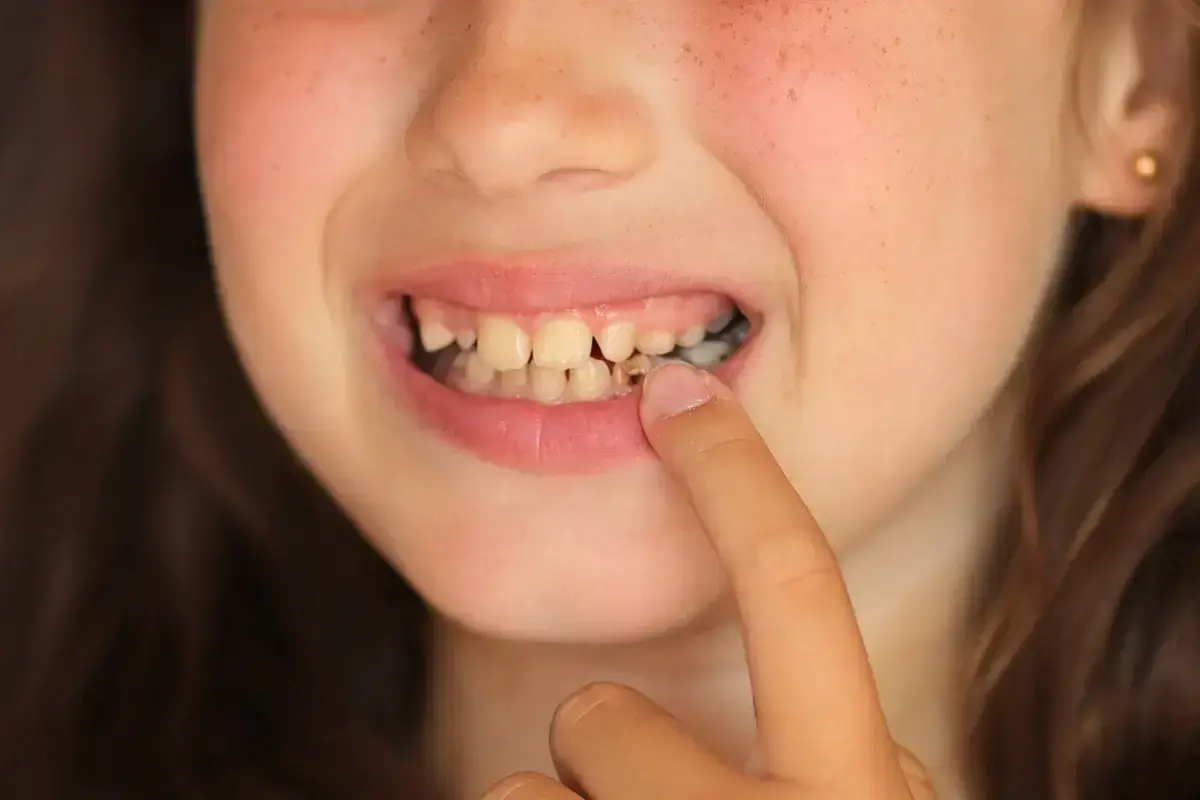
When tooth decay becomes severe, many people worry that extraction is the only solution. In reality, a dentist can often save a tooth even in advanced cases by using modern restorative treatments such as crowns, fillings, or root canals. At Valley View Dental in Castro Valley, our priority is to help patients preserve their natural teeth whenever possible, because saving a tooth is often healthier and longer-lasting than replacing it.
Understanding Severe Tooth Decay By a Dentist
Tooth decay begins with small cavities caused by bacteria that erode enamel. If left untreated, the decay spreads deeper into the tooth, affecting the dentin and eventually the pulp where nerves and blood vessels live. At this point, severe pain, infection, and abscesses can develop.
From a professional standpoint, I’ve seen many patients in Castro Valley believe a decayed tooth is beyond repair, only to learn that it can often be saved with proper dental care. Advancements in treatment make it possible to restore teeth that might once have required removal.
How a Dentist Can Save a Severely Decayed Tooth
1. Dental Fillings
For decay that hasn’t reached the nerve, removing the damaged portion and placing a filling can stop the spread and restore the tooth’s strength.
2. Dental Crowns
When a tooth is weakened but its root is stable, a crown can act like a protective shell, allowing patients to chew normally while preventing further decay.
3. Root Canal Therapy
If decay has reached the pulp, a root canal is often the best option. By cleaning out infected tissue and sealing the canals, the tooth can be saved and restored with a crown. Many patients in our Castro Valley dental clinic are relieved to learn that this procedure is not as painful as they fear, and it can stop infection while preserving the tooth.
4. Inlays and Onlays
When damage is too large for a filling but doesn’t yet require a crown, inlays or onlays provide a precise, long-lasting restoration.
When a Tooth Cannot Be Saved By a Dentist
Despite advanced treatments, there are times when a tooth cannot be saved. Severe fractures below the gumline, advanced bone loss, or uncontrolled infection may make extraction the safest choice. In those cases, options such as dental implants, bridges, or dentures can restore function and appearance.
As a Castro Valley dentist, I always explain treatment choices clearly so patients understand whether saving or replacing a tooth is in their best long-term health interest.
Why Saving a Natural Tooth Matters
Whenever possible, preserving a natural tooth is preferable. Natural teeth keep your bite aligned, support jawbone health, and provide the most natural chewing function. Even though replacement options exist, they cannot fully replicate the benefits of your own teeth.
Patients at Valley View Dental often share how relieved they feel when they learn their tooth can be saved instead of extracted. Early intervention is the key—waiting too long often reduces the chances of saving the tooth.
Conclusion
Yes, a dentist can often save a tooth with severe decay, but the success depends on how quickly you seek treatment and the extent of the damage. Fillings, crowns, root canals, and other restorative treatments are designed to give teeth a second chance.
If you live in Castro Valley and are dealing with tooth pain or worry about decay, seeking professional care as soon as possible gives you the best chance of keeping your tooth.
Don’t wait until extraction is your only option. If you’re experiencing symptoms of severe tooth decay, schedule an appointment with Valley View Dental in Castro Valley. Our team will guide you through your options and help you protect your natural smile.