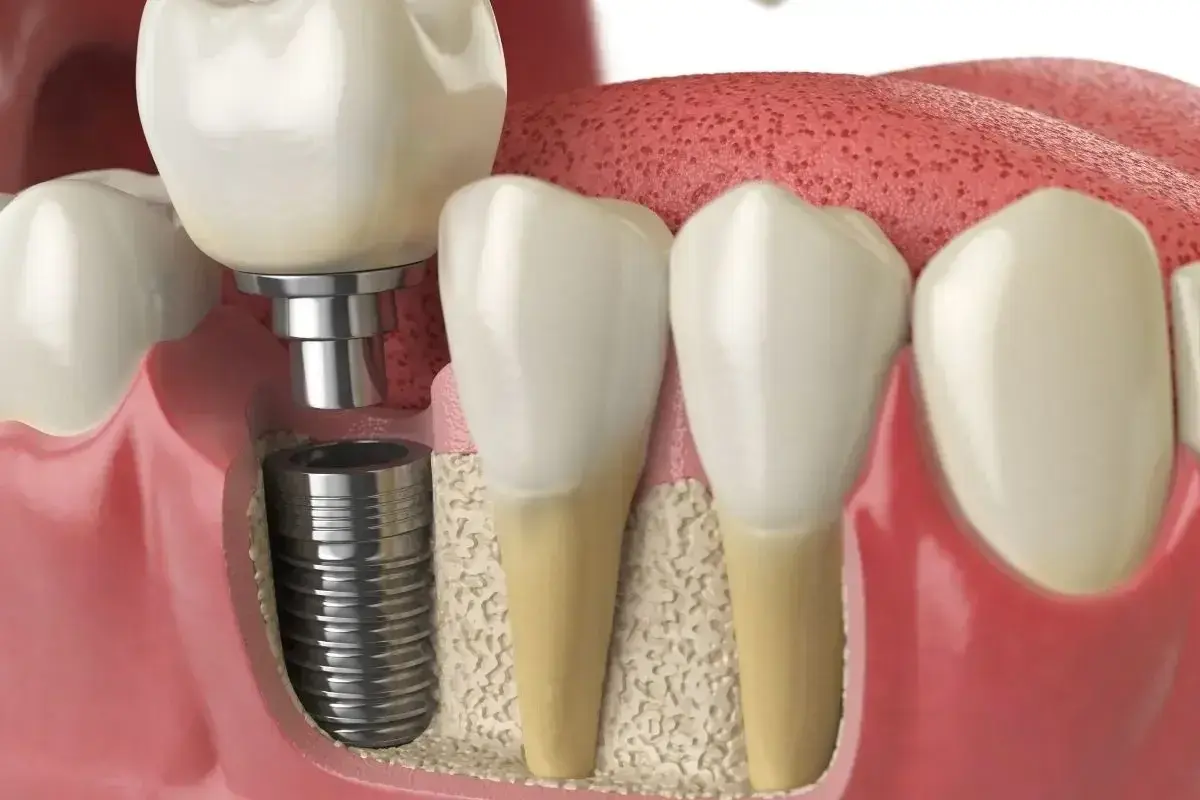
Missing teeth can affect your confidence and oral health. Dental implants offer a lasting solution by replacing missing teeth with artificial ones that look and function like natural teeth. The procedure involves placing a metal post in the jawbone, which serves as a sturdy foundation for a custom-made tooth.
This guide will explain the steps involved, how to prepare, and what to expect during and after the procedure.
What Is a Dental Implant?
A dental implant is a permanent tooth replacement. It consists of three parts:
- Implant: A titanium post is placed in the jawbone.
- Abutment: A small connector that holds the new tooth.
- Crown: The artificial tooth attached to the abutment.
Who Can Get Dental Implants?
Dental implants may be right for you if you:
- Have one or more missing teeth
- Have healthy gums and enough bone to support the implant
- Don’t smoke or are willing to quit, as smoking affects healing
Children and individuals with certain health conditions, like uncontrolled diabetes or weakened bones, may not be ideal candidates.
Preparing for a Dental Implant
Before the procedure, your dentist will examine your mouth, take X-rays, and determine if your jawbone is strong enough. If necessary, a bone graft may be recommended to build up the bone.
What to Know Before Surgery
- Medications: You may be given antibiotics to prevent infection.
- Eating & Drinking: If receiving sedation, avoid eating or drinking after midnight before surgery.
- Transportation: Arrange for someone to drive you home if sedation is used.
- Oral Care: Your dentist may provide a special mouth rinse to use before the procedure.
The Dental Implant Procedure
The process takes place in stages to ensure proper healing.
1. Placing the Implant
- Your dentist numbs the area so you don’t feel pain.
- A small incision is made in the gums to place the implant into the bone.
- The gums are stitched, and healing begins as the implant fuses with the bone.
2. Attaching the Abutment
- Once the implant is secure (after a few months), a small connector piece called an abutment is attached.
- The gums need time to heal around the abutment before the final step.
3. Placing the New Tooth
- Impressions of your teeth are taken to create a custom crown.
- The crown is attached to the implant, completing your new smile.
Healing and Recovery
After the procedure, mild swelling, bruising, or discomfort is normal. Your dentist may recommend pain relievers and a soft food diet. To aid healing:
- Avoid hard or sticky foods.
- Maintain good oral hygiene with careful brushing and flossing.
- Attend follow-up visits to ensure proper healing.
Taking Care of Your Dental Implant
With proper care, dental implants can last a lifetime. Keep them in good shape by:
- Brushing and flossing daily
- Seeing your dentist for regular checkups
- Avoiding smoking, which can lead to implant failure
Conclusion
Dental implants provide a strong, natural-looking solution for missing teeth. Though the process takes time, the long-term benefits are worth it. If you’re considering dental implants in Castro Valley, schedule an appointment for expert guidance and personalized care.