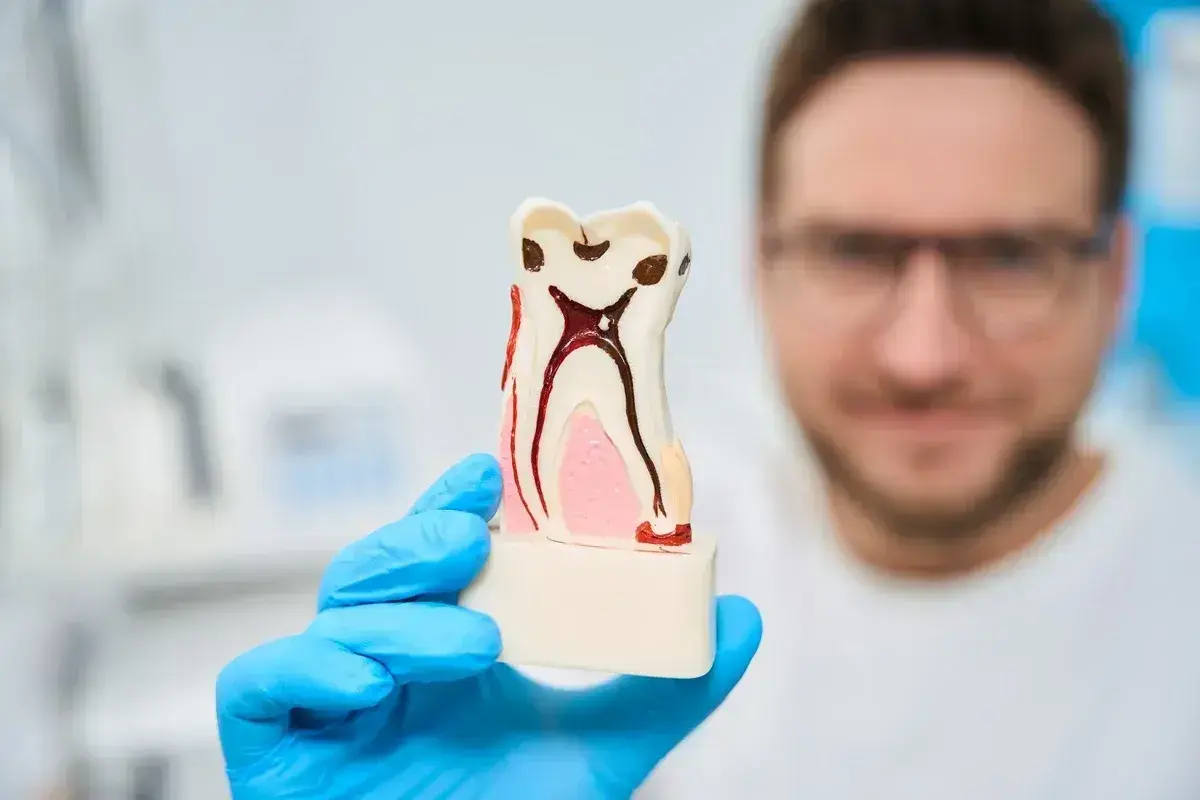
A toothache that won’t go away is more than just an inconvenience. Maybe you feel a sharp pain when biting down, notice swelling around your gums, or find yourself avoiding hot and cold drinks because your tooth has become unusually sensitive. These symptoms might be signs of an infected tooth.
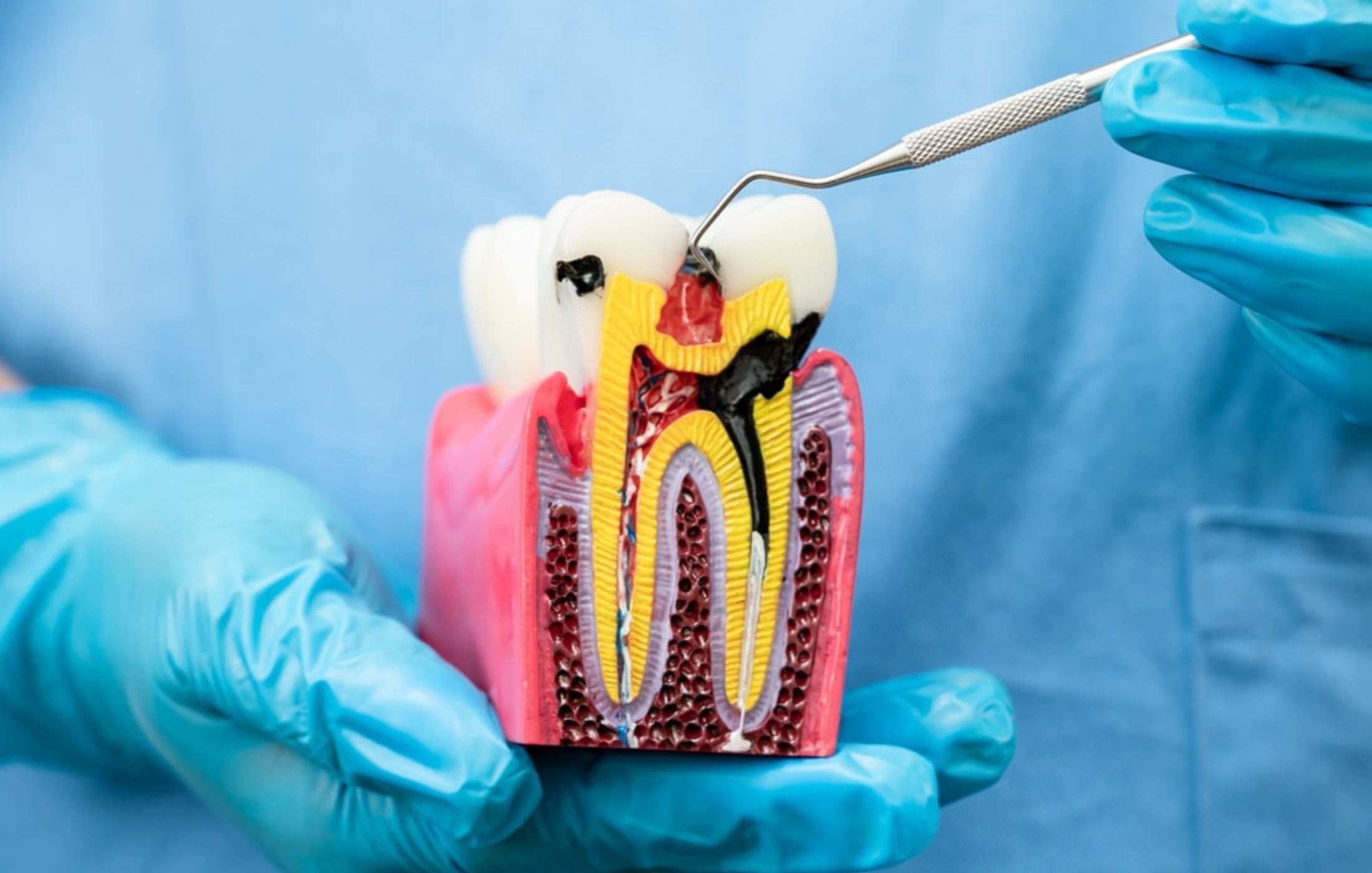
Tooth infections can develop when bacteria enter the inner part of a tooth, known as the pulp. This soft tissue contains nerves and blood vessels. When it becomes infected or severely inflamed, root canal treatment may be necessary to save the natural tooth.
The tricky part? Not every infected tooth causes obvious symptoms right away. Knowing what to look for can help you get dental care before the problem becomes more serious.
At Valley View Dental in Castro Valley, Dr. Kiran Khamani helps patients understand their dental concerns and explore appropriate treatment options. Here are five signs that your tooth may have an infection and could require a root canal.
1. Persistent or Severe Toothache
An occasional twinge of tooth sensitivity may not seem like a big deal. But pain that keeps coming back, lasts for hours, or becomes increasingly intense deserves attention.
When bacteria reach the pulp inside your tooth, inflammation can develop and put pressure on the surrounding tissues. This may cause a deep, throbbing toothache that makes it difficult to eat, sleep, or concentrate on everyday activities.
You might notice that the pain gets worse when chewing or happens without any obvious trigger. Sometimes, it may even spread toward your jaw, ear, or nearby teeth.
What should you do? Don’t keep relying on pain relievers and hoping the discomfort will disappear. Schedule a dental examination to identify the cause. If the pulp is infected or cannot recover from inflammation, a root canal may be recommended.
2. Prolonged Sensitivity to Hot and Cold
Does your tooth continue to hurt even after you’ve finished drinking something cold or hot? That’s something worth paying attention to.
Normal sensitivity often fades quickly once the temperature trigger is removed. However, prolonged or lingering pain may indicate irritation or inflammation of the dental pulp.
For example, you might notice:
- Sharp pain when drinking cold water.
- Discomfort after eating hot foods.
- Lingering sensitivity even after finishing your meal.
- Increasing discomfort when consuming sweet foods.
Not every case of tooth sensitivity means you need a root canal. Worn enamel, gum recession, cavities, and exposed tooth roots can also cause sensitivity.
However, when sensitivity becomes persistent or severe, your dentist should evaluate it. If the pulp has become irreversibly inflamed or infected, root canal treatment may help remove the source of the problem while preserving the tooth.
3. Swollen or Tender Gums Around a Tooth
Sometimes, an infected tooth makes its presence known through your gums rather than through tooth pain alone.
You may notice swelling, tenderness, or redness around a particular tooth. In some cases, a small pimple-like bump may appear on the gumline. This can be a dental sinus tract, sometimes called a gum boil, through which infected material drains.
This may indicate that an abscess has developed near the root of the tooth.
A dental abscess is a collection of pus caused by a bacterial infection. It needs prompt professional attention because the infection can spread to surrounding tissues.
If you notice a swollen gum area or a pimple-like bump near a painful tooth, don’t try to squeeze or drain it yourself.
If you’re experiencing these symptoms, visit our dental office located at 20406 Redwood Rd Ste C1, Castro Valley, CA 94546, United States. Dr. Kiran Khamani at Valley View Dental can evaluate the affected tooth and discuss appropriate treatment options.
4. Tooth Discoloration or Darkening
Have you noticed that one tooth looks darker or more yellowish-gray than the others? While discoloration can happen for several reasons, a noticeable change in a single tooth may sometimes indicate damage to the pulp.
When the pulp becomes damaged or dies, changes inside the tooth can affect its color. This may happen following deep decay, trauma, or an injury that occurred months or even years earlier.
For example, you may have bumped your front tooth during sports or had an accident that didn’t seem serious at the time. Later, the tooth may gradually become darker.
Tooth discoloration doesn’t automatically mean you need a root canal. However, when it occurs alongside pain, sensitivity, or gum swelling, it’s important to have it checked.
Your dentist can examine the tooth and use dental X-rays and other tests to determine whether the pulp is healthy.
5. Bad Taste or Persistent Bad Breath
Brushing, flossing, and using mouthwash should help keep your breath fresh. But what if an unpleasant taste or smell keeps coming back?
An infected tooth or dental abscess can sometimes produce an unpleasant taste due to drainage from the affected area. You may notice a salty or foul taste in your mouth, even after brushing your teeth.
Other possible signs include persistent bad breath, fluid draining near the gums, or a recurring pimple-like bump.
While bad breath can also result from gum disease, dry mouth, or other oral health problems, a persistent unpleasant taste near a particular tooth deserves attention.
Don’t simply cover it up with breath mints or mouthwash. A dental examination can help identify whether an infection is responsible.
How Does Root Canal Treatment Help Save an Infected Tooth?
Hearing the words “root canal” can make some people nervous. But modern root canal treatment is designed to relieve the problem inside the tooth while allowing you to keep your natural tooth whenever possible.
During the procedure, the dentist removes the infected or severely inflamed pulp, cleans and disinfects the inside of the tooth, and seals the root canal space. Depending on how much tooth structure remains, a dental crown may be recommended to protect the tooth and restore its strength.
The procedure is performed using local anesthesia to help keep you comfortable.
One important thing to understand is that antibiotics alone usually cannot eliminate an infection inside an infected tooth. The source of the infection generally needs dental treatment, such as root canal therapy or extraction if the tooth cannot be saved.
When Should You See a Dentist for a Tooth Infection?
If you’re experiencing persistent tooth pain, prolonged sensitivity, gum swelling, or any of the other symptoms mentioned above, don’t wait for the discomfort to become unbearable.
An untreated dental infection can spread beyond the affected tooth and may lead to serious complications.
Seek urgent dental care if you suspect an abscess. If you develop facial or neck swelling accompanied by difficulty breathing or swallowing, go to an emergency department immediately.
Early evaluation can help your dentist determine whether a root canal can save your tooth or whether another treatment is needed.
Protect Your Smile with Root Canal Treatment at Valley View Dental
A tooth infection shouldn’t be ignored, even if the pain comes and goes. Persistent discomfort, swelling, discoloration, and an unpleasant taste can all be reasons to schedule a dental examination.
At Valley View Dental, Dr. Kiran Khamani focuses on helping patients understand their dental problems and make informed decisions about their treatment. If you’re experiencing symptoms of an infected tooth, getting it evaluated promptly can help prevent the problem from becoming more complicated.
Don’t let tooth pain disrupt your everyday life. Contact Valley View Dental today to schedule an appointment and find out whether root canal treatment is the right solution for your tooth.