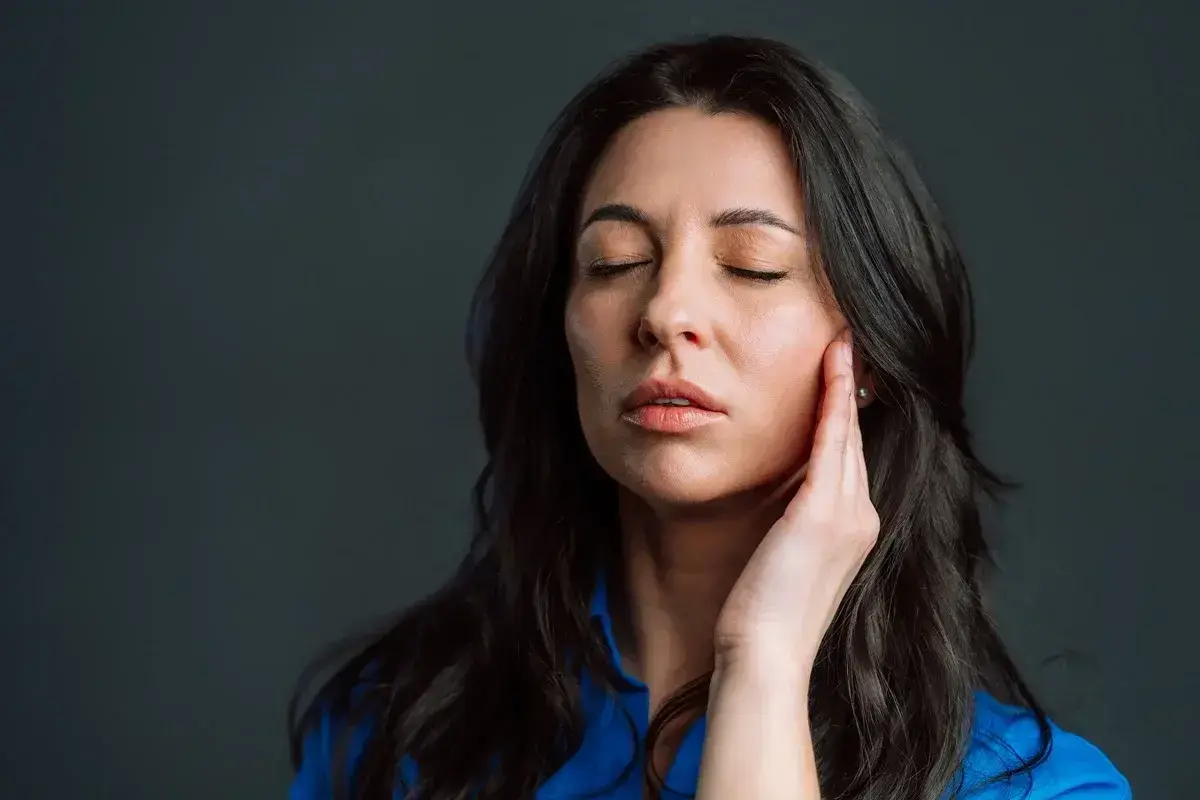
Waking up with a tight, aching jaw, frequent morning headaches, or a clicking sound every time you chew your morning breakfast can significantly disrupt your day. If you regularly experience discomfort near your jaw joint, ears, or facial muscles, you may be dealing with Temporomandibular Joint (TMJ) dysfunction. This condition affects millions of people, yet many suffer through persistent discomfort without realizing that relief is readily available right in their local community.
At Valley View Dental, Dr. Kiran Khemani and our dedicated team offer comprehensive, patient-centered care and advanced TMJ treatment in Castro Valley to help you restore lasting comfort to your daily life.
To truly understand how to manage jaw discomfort, it is helpful to explore how the joint functions, what triggers dysfunction, and the modern non-invasive therapies designed to help you regain normal, pain-free mobility.
Understanding the Temporomandibular Joint
The temporomandibular joint acts as a delicate, complex hinge connecting your lower jawbone (mandible) to your skull on either side of your head. Located right in front of your ears, this unique joint allows your jaw to move up and down, side to side, and forward and backward. Because of this intricate range of motion, you are able to talk, chew, yawn, and laugh effortlessly.
The TMJ relies on a complex coordination of bones, cartilage discs, ligaments, and facial muscles. A small cartilaginous disc cushions the interaction between the jawbone and the skull, keeping movement smooth. However, because this joint undergoes constant daily use, any disruption to its delicate alignment or muscle balance can trigger significant tension, inflammation, and chronic jaw pain.
Primary Causes of TMJ Pain
TMJ disorders rarely stem from a single isolated issue. In most cases, jaw dysfunction develops from a combination of anatomical, behavioral, and environmental factors. As dental professionals, we frequently evaluate several primary causes:
Teeth Grinding and Clenching (Bruxism)
One of the leading contributors to jaw joint distress is bruxism, or habitual teeth grinding and jaw clenching. Many individuals unconsciously grind their teeth during sleep or tightly clench their jaw throughout the workday due to stress. This continuous, severe force fatigues the surrounding facial muscles, compresses the joint, and puts intense physical pressure on the protective articular disc. Over time, chronic bruxism leads to persistent soreness, enamel wear, and inflammation throughout the entire facial region.
Malocclusion (Bite Misalignment)
When your upper and lower teeth do not fit together properly, a condition known as malocclusion, your jaw muscles are forced to work harder to chew, swallow, and bring your mouth to a resting position. An uneven bite strains the jaw joint by distributing pressure unevenly across the jaw arches, leading to chronic muscle fatigue, joint clicking, and recurring soreness.
Joint Disc Displacement or Injury
Direct physical impact to the chin, cheek, or side of the head can damage the temporomandibular joint directly. Additionally, the soft cartilaginous disc that cushions joint movement can slip out of its natural position. When this disc becomes displaced, you may experience sharp pain, restricted mouth opening, or a noticeable popping and clicking sound whenever you open or close your mouth.
Arthritis and Inflammatory Joint Conditions
Just like the knees, hips, or hands, the temporomandibular joint is vulnerable to arthritis. Both osteoarthritis (which causes wear and tear of the joint cartilage) and rheumatoid arthritis (an autoimmune disease that causes joint inflammation) can degrade the smooth lining of the TMJ. Patients with joint arthritis often experience stiff jaw movement, chronic deep aching, and grating sensations known as crepitus.
Stress, Posture, and Lifestyle Factors
Chronic daily stress causes many people to tighten their shoulder, neck, and jaw muscles involuntarily. Furthermore, poor ergonomic habits such as slouching over a computer desk or leaning your head forward toward a smartphone put secondary physical strain on the cervical spine and jaw muscles, exacerbating existing joint discomfort.
Common Symptoms of TMJ Disorders
Recognizing the signs of TMJ dysfunction early allows you to seek timely professional care before joint damage progresses. While individual symptoms vary, common indicators include:
- Persistent Jaw Pain or Soreness: A dull, lingering ache near the cheeks, ears, or temples, particularly after eating or upon waking up.
- Clicking, Popping, or Grating Sounds: Audible sounds when opening or closing your mouth, sometimes accompanied by sharp discomfort.
- Restricted Jaw Movement or Locking: Difficulty fully opening the mouth, or a jaw that temporarily catches or locks in an open or closed position.
- Unexplained Headaches and Earaches: Radiating pain that feels like a tension headache or a deep earache, even when no ear infection is present.
- Facial and Neck Fatigue: Tiredness or soreness in the neck, shoulders, and facial muscles after talking or chewing for extended periods.
How TMJ Dysfunction Is Diagnosed
When you visit a dental office for jaw pain evaluation, a comprehensive examination is performed to pinpoint the exact source of your discomfort. Diagnosing a TMJ disorder involves a combination of clinical assessment and detailed medical review:
- Physical Examination: Your dentist will gently palpate your jaw joint, temples, and neck muscles to identify tenderness, muscle spasms, or trigger points.
- Range of Motion Assessment: We measure how wide you can comfortably open your mouth and observe how your jaw moves side-to-side.
- Joint Sound Evaluation: Listening and feeling for clicks, pops, or grinding sensations during jaw movement helps determine if the joint disc is displaced.
- Bite Analysis: Checking how your teeth meet reveals whether misalignment or uneven pressure is contributing to joint strain.
- Digital Diagnostic Imaging: Precise digital X-rays or specialized imaging allow us to view the bone structure, joint space, and position of the jaw joint in great detail.
Effective Non-Invasive TMJ Treatments
The good news for anyone suffering from jaw pain is that the vast majority of TMJ cases respond exceptionally well to conservative, non-invasive therapies. Surgical intervention is rarely needed. For practical ways to manage discomfort, you can also check out TMJ pain relief tips. Depending on the underlying root cause, modern dental solutions include:
Custom Nightguards and Stabilization Splints
For patients whose pain stems from nocturnal bruxism, a custom-fitted nightguard is one of the most effective solutions available. Crafted from precise impressions of your teeth, a custom nightguard creates a protective barrier that cushions your bite, redistributes joint pressure, and allows your facial muscles to rest naturally while you sleep.
Bite Adjustment and Orthodontics
If your jaw pain is caused by malocclusion, corrective treatments such as minor bite adjustments or clear aligner therapy can realign your teeth into proper harmony. Rebalancing your bite eliminates uneven stress on the TMJ and provides lasting relief.
Targeted Physical Therapy and Targeted Exercises
Guided jaw exercises help strengthen surrounding muscles, improve joint flexibility, and restore smooth mobility. Gentle stretching techniques, thermal therapy (warm compresses), and posture awareness education further reduce chronic muscle spasms.
Stress Management Techniques
Because stress plays a major role in jaw clenching, incorporating relaxation techniques such as mindfulness, deep breathing exercises, or gentle yoga can significantly ease involuntary facial muscle tension.
Lifestyle Modifications and Self-Care Tips
Alongside professional care, small daily adjustments can help manage acute jaw discomfort and prevent flare-ups:
- Adopt a Soft-Food Diet: During painful periods, choose soft, easily chewed foods like soups, smoothies, eggs, cooked vegetables, and oatmeal to give your jaw joint a rest.
- Avoid Excessive Jaw Strain: Refrain from chewing gum, biting fingernails, or taking oversized bites of hard, crunchy foods like apples or raw carrots.
- Apply Moist Heat or Cold Packs: Use a warm, moist compress to soothe tight jaw muscles, or apply an ice pack wrapped in a cloth to reduce acute joint inflammation.
- Practice Restful Jaw Posture: Keep your lips together, teeth slightly apart, and your tongue resting gently behind your upper front teeth whenever your jaw is at rest.
Take the First Step Toward Lasting Jaw Relief
You do not have to live with daily jaw discomfort, stiffness, or chronic morning headaches. Identifying the root cause of your pain is the first step toward reclaiming a comfortable, fully functional bite.
If you are ready to explore comfortable, personalized non-invasive therapy options, we invite you to learn more about our comprehensive TMJ Treatment or reach out directly to schedule a consultation with our experienced local care team at Valley View Dental.
Frequently Asked Questions
Sudden one-sided TMJ pain usually results from localized muscle spasms, physical trauma, sleeping in an awkward position, biting down on something hard, or a displaced joint disc on that specific side.
With consistent conservative care, soft food diets, and custom oral appliances, acute TMJ flare-ups typically improve within two to six weeks, though chronic conditions require long-term management strategies.
While a nightguard does not cure structural joint issues, it effectively cushions teeth, relieves muscle tension, prevents nocturnal grinding, and dramatically reduces daily pain and long-term tooth damage.
Coverage varies by plan. Many dental policies cover diagnostic evaluations and custom nightguards, while medical insurance sometimes assists with joint-related therapies. Our team helps verify your specific benefits.
Minor jaw irritation caused by temporary stress or hard food can resolve naturally; however, persistent pain, clicking, or locking requires professional evaluation to prevent long-term joint wear.