


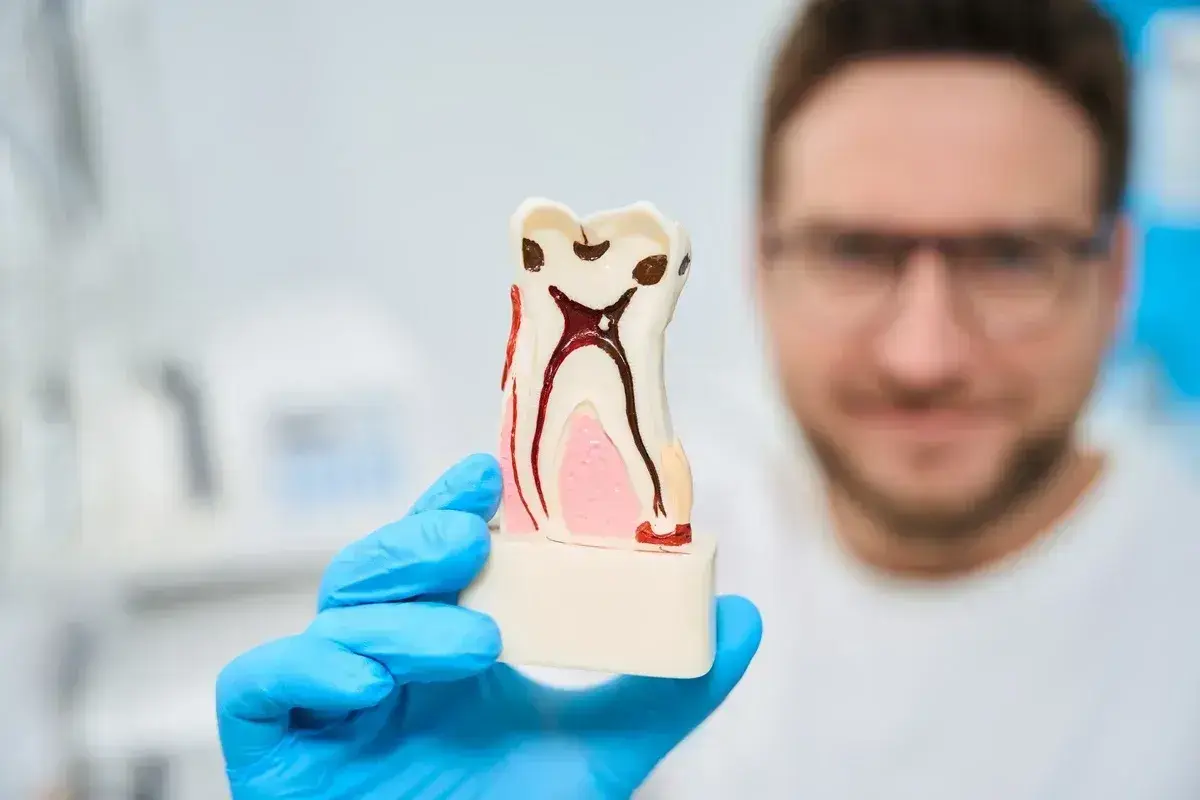
What should you do when a damaged tooth starts causing pain? Should you save the tooth or remove it completely? Many people struggle with this decision after experiencing tooth sensitivity, swelling, or severe discomfort while eating.
The right treatment depends on the condition of the tooth, the level of infection, and your long-term oral health. Some teeth can still be preserved, while others may need to be removed to protect surrounding teeth and gums.
At Valley View Dental, Dr. Khemani helps patients from Castro Valley and nearby locations clearly understand treatment options before moving forward. Whether the issue stems from tooth decay, injury, or infection, understanding the differences between these procedures can help you make the right choice for your smile and comfort.
Understanding Why Tooth Damage Happens
Tooth damage can happen slowly or suddenly. In many cases, everyday habits and lifestyle factors contribute to dental problems over time.
People living in Castro Valley often enjoy busy routines that include coffee drinks, sports activities, quick meals, and sugary snacks on the go. These habits may increase the risk of cavities, cracks, and enamel wear if oral care is delayed.
Some of the most common causes of tooth damage include:
- Deep tooth decay
- Cracked or broken teeth
- Gum disease
- Sports injuries
- Teeth grinding
- Untreated infections
When these issues are ignored, bacteria can spread deeper into the tooth, leading to severe pain or swelling.
Patients seeking root canal treatment in Castro Valley often seek care after experiencing discomfort that does not resolve with regular brushing or pain medication.
When Saving the Tooth May Be the Right Option
In many situations, preserving the natural tooth is the preferred choice. Keeping the original tooth helps maintain normal chewing, speech, and bite alignment.
A root canal may be recommended when the inner portion of the tooth becomes infected, but the outer structure is still strong enough to support a restoration.
During the procedure, the infected tissue inside the tooth is removed. The area is then cleaned and sealed to help prevent future infection. In many cases, a dental crown is placed afterward to protect the tooth from further damage.
Signs That a Tooth May Be Saved
Persistent Tooth Pain
Pain that lingers for several days may indicate an infection inside the tooth.
Sensitivity to Hot or Cold Foods
Sharp sensitivity can be a sign that the inner nerve tissue has been affected.
Swelling Around the Gums
Inflammation near the tooth may point to a developing infection.
A Cracked Tooth With Healthy Roots
Some cracked teeth can still be repaired if the root structure remains healthy.
Saving the tooth whenever possible can help prevent nearby teeth from shifting out of place later.
When Removing the Tooth May Be Necessary
There are situations where preserving the tooth is no longer possible. If the tooth is severely damaged or weakened, removal may be the safest option for overall oral health.
A tooth extraction is commonly recommended when infection, decay, or structural damage becomes too advanced for repair.
Common Reasons for Tooth Removal
Severe Decay
Large cavities can destroy too much tooth structure to support restoration.
Advanced Infection
An untreated infection may spread into nearby tissue and bone.
Broken Teeth Below the Gum Line
Teeth fractured deep below the gums are often difficult to restore.
Impacted Teeth
Some teeth become trapped under the gums, causing pain or swelling.
Loose Teeth From Gum Disease
Bone loss caused by gum disease may reduce support around the tooth.
After a tooth extraction, patients may discuss replacement options, such as implants or bridges, to restore chewing function and appearance.
How Dentists Decide Between the Two Treatments
Every dental condition is different. A dentist carefully examines the tooth before recommending the most suitable option.
Several factors help determine the right treatment plan.
The Amount of Healthy Tooth Remaining
If enough healthy structure remains, preserving the tooth may still be possible.
The Severity of Infection
Minor infections can often be treated successfully, while severe infections may require removal.
The Condition of the Surrounding Bone
Healthy gums and bone improve the chances of long-term success.
Long-Term Oral Health Goals
The treatment should support your comfort, chewing ability, and future dental stability.
People in Castro Valley often prefer solutions that allow them to maintain their daily routines comfortably without ongoing dental pain.
Comparing Recovery After Each Procedure
Recovery experiences can vary depending on the condition of the tooth and the type of treatment performed.
After a root canal, mild soreness may occur for a few days as the area heals. Most patients return to work or normal activities quickly.
Following a tooth extraction, healing usually takes a little longer because the gum tissue and bone need time to recover properly.
Tips for a Smooth Recovery
- Eat soft foods for the first few days
- Avoid chewing on the treated side
- Maintain gentle oral hygiene
- Drink plenty of water
- Follow all aftercare instructions carefully
Proper aftercare plays an important role in preventing complications and supporting faster healing.
Why Early Treatment Matters for Long-Term Oral Health
Waiting too long to treat a damaged tooth can lead to more serious dental problems. Small cavities may eventually turn into severe infections that affect nearby teeth and gums.
Regular dental visits help detect issues before they become painful or difficult to treat. Early care also improves the chances of preserving natural teeth whenever possible.
Patients searching for root canal treatment are often encouraged to seek treatment early before the damage progresses further.
If you are experiencing tooth pain, swelling, or sensitivity, it may be time to visit our Castro Valley dental office for a comprehensive dental evaluation.
Get the Right Dental Care for Your Smile
Choosing between saving a tooth and removing it is an important decision that should be based on your oral health needs, comfort, and long-term goals. Some teeth can be preserved successfully with timely treatment, while others may need removal to prevent future complications.
At Valley View Dental, patients receive careful evaluations and clear treatment guidance to help them make informed decisions about their dental health.
If you are dealing with ongoing tooth pain or damage, book an appointment today to discuss your treatment options and restore your oral health with confidence. Visit us at 20406 Redwood Rd, Ste C1, Castro Valley, CA 94546, USA.
Frequently Asked Questions
How do I know if my tooth needs treatment?
Pain, swelling, sensitivity, or difficulty chewing may indicate a dental problem that requires professional evaluation.
Can a damaged tooth always be saved?
Not always. The condition of the tooth, roots, and surrounding bone helps determine whether preservation is possible.
Is recovery difficult after treatment?
Most patients recover comfortably by following aftercare instructions and maintaining good oral hygiene habits.
What happens if I delay treatment?
Delaying care may allow infection or damage to worsen, leading to more complex dental problems later.
Should I replace a missing tooth after removal?
Replacing a missing tooth may help maintain chewing ability, jaw alignment, and overall smile function.


