


A missing front tooth can affect much more than your appearance. It can change the way you speak, make eating less comfortable, and leave you feeling self-conscious in social and professional situations. Because front teeth are among the most visible parts of your smile, replacing one quickly and effectively is often a top priority.
Fortunately, modern dentistry offers reliable solutions that look natural and restore function. Two of the most common options are dental bridges and dental implants. While both can replace a missing front tooth, they differ in several important ways.
At Valley View Dental in Castro Valley, CA, Dr. Kiran Khemani helps patients understand their choices and select the option that best fits their oral health, lifestyle, and long-term goals. If you’re trying to decide between a bridge and an implant, this guide will help you understand the benefits and considerations of each treatment.
Why Replacing a Missing Front Tooth Matters
Many people assume that losing a single tooth is mostly a cosmetic issue. While appearance is certainly a concern, the consequences can go much deeper.
When a front tooth is missing, neighboring teeth may begin shifting into the empty space. This movement can affect your bite alignment and create uneven pressure during chewing. Over time, these changes may increase the risk of additional dental problems.
A missing front tooth can also influence speech patterns. Certain sounds require proper tooth positioning, and gaps in the smile can sometimes make pronunciation more difficult.
Most importantly, replacing the tooth helps preserve confidence. Many patients report feeling more comfortable smiling, speaking, and interacting with others once their smile is restored.
Understanding Dental Bridges
A dental bridge is a restoration designed to fill the space left by a missing tooth. The replacement tooth, known as a pontic, is anchored to crowns placed on the neighboring teeth.
Think of a bridge as a structure that literally “bridges” the gap between healthy teeth.
The process typically requires two appointments. During treatment, the teeth adjacent to the missing tooth are reshaped to support dental crowns. Once the custom bridge is created, it is securely cemented into place.
Modern dental bridges are crafted to match the color, shape, and size of your natural teeth, making them an attractive solution for many patients.
Benefits of a Dental Bridge
Dental bridges offer several advantages that make them appealing for front tooth replacement.
One of the biggest benefits is the shorter treatment timeline. Unlike implants, bridges generally do not require surgery, allowing patients to restore their smiles more quickly.
Bridges also tend to have a lower upfront cost compared to implants. For patients seeking a reliable restoration without a surgical procedure, this can be an important consideration.
In addition, the treatment process is relatively straightforward and can provide excellent aesthetic results when performed by an experienced dentist.
Potential Considerations with Bridges
While bridges are effective, they do come with certain limitations.
The neighboring teeth must be altered to support the crowns. Even if those teeth are healthy, some natural tooth structure must be removed.
Additionally, bridges do not replace the root of the missing tooth. Without a tooth root stimulating the jawbone, gradual bone loss can occur beneath the missing tooth area over time.
Although bridges can last many years with proper care, they may eventually need replacement due to normal wear and tear.
Understanding Dental Implants
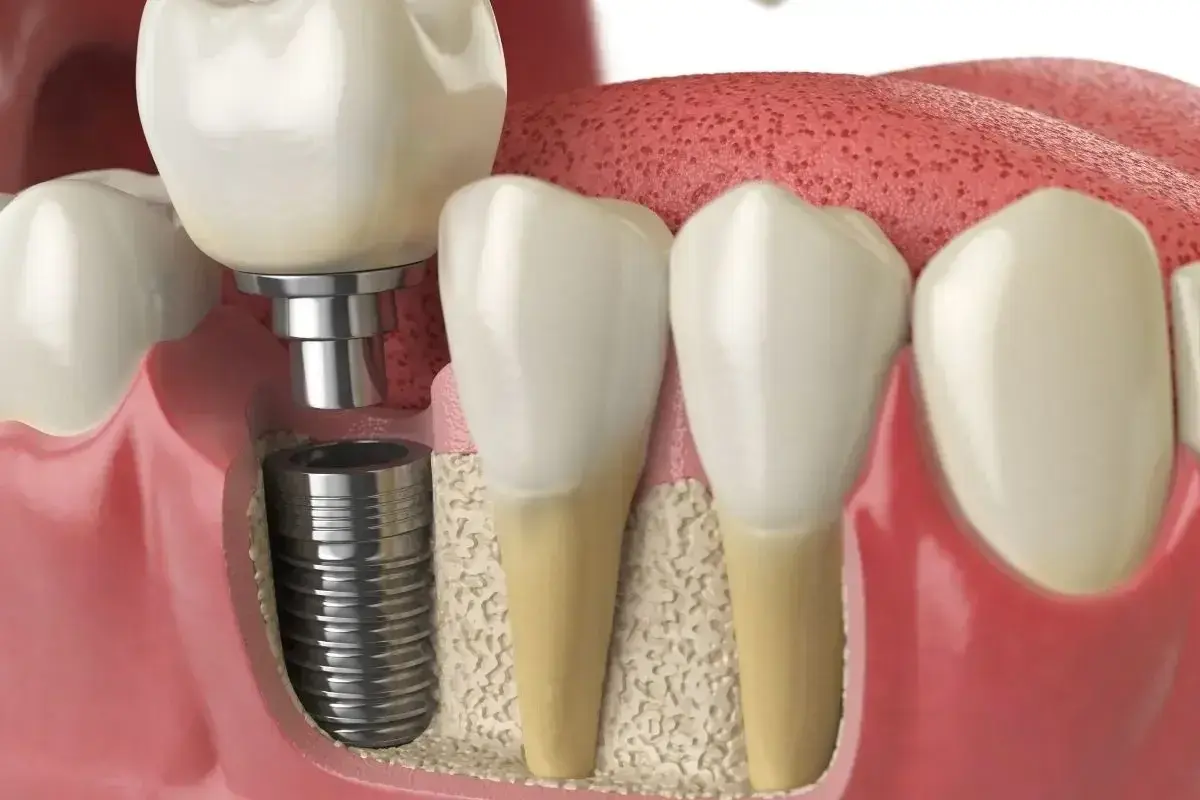
Dental implants are often considered the closest replacement to a natural tooth. An implant consists of a titanium post that is surgically placed into the jawbone, where it functions as an artificial tooth root.
Once the implant integrates with the bone, a custom dental crown is attached to complete the restoration.
The final result looks, feels, and functions remarkably like a natural tooth.
For patients seeking a long-term solution, dental implants are frequently regarded as the gold standard in tooth replacement.
Benefits of Dental Implants
One of the most significant advantages of implants is their ability to preserve jawbone health.
Because the implant replaces the tooth root, it continues to stimulate the bone during chewing. This helps maintain bone density and reduces the risk of facial changes that can occur after tooth loss.
Implants also stand independently. Unlike bridges, they do not rely on neighboring teeth for support. This means adjacent healthy teeth remain untouched.
Many patients appreciate the durability of dental implants as well. With proper oral hygiene and regular dental visits, implants can provide decades of reliable function.
The natural appearance is another major benefit. A well-designed implant crown blends seamlessly into the smile, making it difficult for others to distinguish from natural teeth.
Potential Considerations with Implants
Although implants offer many advantages, they may not be the right choice for everyone.
The treatment process typically takes longer than a bridge because the implant requires time to integrate with the jawbone before the final crown is placed.
Implants also involve a surgical procedure, which may not appeal to every patient. However, advancements in modern dentistry have made implant placement more comfortable and predictable than ever.
The initial investment is often higher compared to a bridge, although many patients find the long-term value worthwhile.
Bridge vs. Implant: Which Looks More Natural?
For a front tooth, appearance is often one of the first concerns patients have.
Both bridges and implants can produce beautiful, natural-looking results when designed carefully. Advances in dental materials allow restorations to mimic the translucency and color variations found in natural teeth.
However, implants often have a slight advantage because they emerge directly from the gum line, similar to a natural tooth. This can create an exceptionally lifelike appearance, particularly in the highly visible front portion of the smile.
That said, the quality of the final result depends heavily on the dentist’s experience, treatment planning, and attention to detail.
Which Option Lasts Longer?
Longevity is another important factor when comparing bridges and implants.
Dental bridges commonly last between 10 and 15 years, though some can last even longer with excellent care.
Dental implants, on the other hand, have the potential to last several decades. The implant itself is designed to be a permanent foundation, while the crown attached to it may eventually require replacement due to normal wear.
For patients looking at long-term durability, implants often provide the strongest value over time.
How Do You Know Which Option Is Right for You?
There is no universal answer because every patient has unique circumstances.
Several factors influence the decision, including:
- Overall oral health
- Jawbone density
- Condition of neighboring teeth
- Treatment timeline
- Budget considerations
- Personal preferences regarding surgery
For example, if adjacent teeth already require crowns, a bridge may be a practical solution. If preserving healthy teeth and maintaining jawbone health are top priorities, an implant may be the preferred option.
A comprehensive dental examination is the best way to determine which treatment aligns with your specific needs.
What to Expect During Your Consultation
At Valley View Dental in Castro Valley, CA, Dr. Kiran Khemani takes a personalized approach to treatment planning.
During your consultation, your oral health, bone structure, and smile goals will be carefully evaluated. Digital imaging may be used to assess the condition of the surrounding teeth and jawbone.
Rather than recommending a one-size-fits-all solution, Dr. Khemani works closely with patients to explain the advantages and considerations of each option. This collaborative approach helps patients feel confident about their treatment decisions.
The goal is not simply to replace a missing tooth—it is to restore comfort, function, and confidence in a way that supports long-term oral health.
Restore Your Smile with Confidence
Living with a missing front tooth can affect your confidence and daily life, but modern dentistry provides effective solutions. Both dental bridges and dental implants can restore your smile and improve function, yet each option offers distinct benefits.
A bridge may provide a quicker and more affordable path to treatment, while an implant offers exceptional longevity, bone preservation, and natural function.
If you’re unsure which option is best for your situation, the team at Valley View Dental is here to help. Dr. Kiran Khemani can evaluate your needs, answer your questions, and guide you toward a solution that helps you smile with confidence again. Don’t let a missing front tooth affect your confidence any longer – schedule a consultation with Dr. Kiran Khemani at Valley View Dental in Castro Valley, CA, and take the first step toward restoring your smile.
A complete, healthy-looking smile may be closer than you think.
Frequently Asked Questions
Is a dental implant better than a bridge for a missing front tooth?
Dental implants are often considered the preferred long-term solution because they replace both the tooth and its root, helping preserve jawbone health. However, the best choice depends on your oral health, budget, and treatment goals.
How long does it take to replace a missing front tooth with an implant?
The dental implant process can take several months because the implant must fuse with the jawbone before the final crown is attached. Your dentist can provide a more accurate timeline based on your individual case.
Do dental bridges look natural?
Yes. Modern dental bridges are custom-made to match the shape, size, and color of your surrounding teeth, allowing them to blend naturally into your smile.
How long do dental bridges and implants last?
Dental bridges typically last 10 to 15 years or longer with proper care. Dental implants can last for decades, and in many cases, the implant post itself may last a lifetime.


