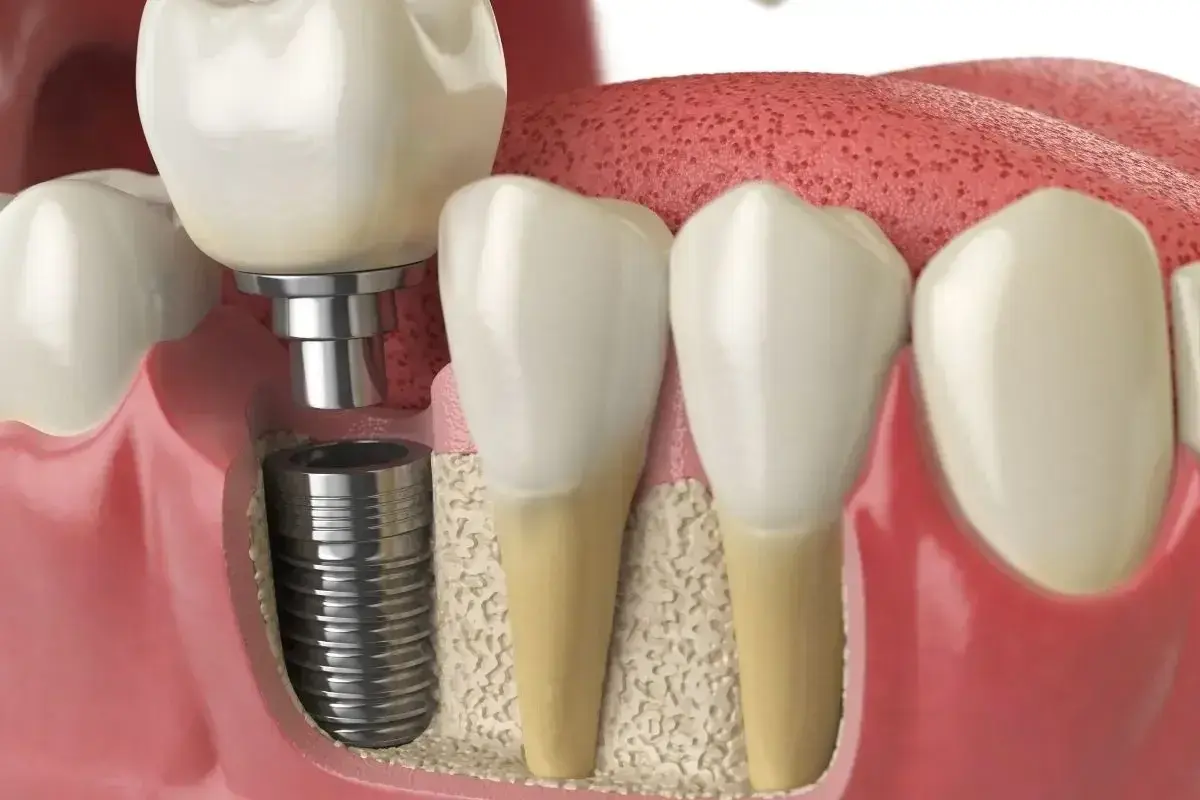
Getting a dental implant is a big step toward a stronger, more confident smile. But the work doesn’t stop once you leave the chair. What you do at home in the weeks and years after surgery decides how long your implant lasts. Good news: caring for an implant is simpler than most people expect, once you know the right habits. This guide walks you through the exact steps, tools, and warning signs every implant patient should know.
At Valley View Dental, Kiran Khemani DDS, our team sees firsthand how the right daily routine keeps implants functioning like natural teeth for decades. Dr. Kiran Khemani has guided countless patients through recovery and long-term maintenance, and this article reflects that hands-on clinical experience. If you’re searching for reliable guidance on dental implants in Castro Valley, this blog draws directly from what we teach patients in our own operatory, so visit our dental office if you’d like a routine built around your specific implant.
What Is the Ideal Aftercare Routine for a New Dental Implant?
The ideal routine combines gentle cleaning, a soft-food diet, and close attention to swelling for the first one to two weeks. After that, implants require the same daily brushing and flossing as natural teeth, plus periodic professional checkups. This balance of short-term caution and long-term consistency is what protects the implant site and the bone around it.
The First 48 to 72 Hours
The initial days after placement are the most delicate window. Swelling and mild bleeding are normal and usually peak on day two. Bite down gently on gauze for the first few hours to help a blood clot form. Avoid rinsing forcefully, since this can dislodge the clot and slow healing. Ice packs applied in 15-minute intervals help keep swelling manageable. Many patients around Castro Valley pick up soft groceries at their neighborhood market beforehand, since planning meals in advance makes this stage far less stressful.
Soft Foods and Nutrition During Healing
Stick to foods like yogurt, mashed potatoes, scrambled eggs, and blended soups for at least the first week. Skip anything crunchy, sticky, or extremely hot, since these can irritate the surgical site. Protein-rich soft foods actually speed up tissue repair, so don’t skimp on nutrition just because chewing feels awkward. Staying hydrated also supports healing, so keep water nearby throughout the day.
How Should You Clean a Dental Implant Every Day?
Implants needs twice-daily brushing with a soft-bristled or electric toothbrush and daily flossing using implant-safe floss or a water flosser. Unlike natural teeth, implants don’t get cavities, but the gum tissue around them can still develop infection if plaque builds up. This condition, called peri-implantitis, is the leading cause of implant failure over time.
Building a Long-Term Hygiene Habit
- Brush for two full minutes, angling bristles toward the gumline where the implant meets tissue.
- Use a water flosser or implant-specific floss threader to clear debris beneath the crown.
- Rinse with an alcohol-free antimicrobial mouthwash to reduce bacteria without drying out tissue.
- Avoid whitening toothpaste with harsh abrasives, since these can scratch the implant crown’s surface.
- Schedule professional cleanings every six months so a hygienist can check areas floss might miss.
Residents searching for dental implants in Castro Valley often ask whether their existing hygiene routine is enough. In most cases, it needs small adjustments, not a complete overhaul, since implants respond well to the same discipline used for real teeth.
What Foods and Habits Should You Avoid Long-Term?
Long-term implant success depends on avoiding extremely hard foods, tobacco use, and untreated teeth grinding. Ice, hard candy, and unpopped popcorn kernels can crack the crown or loosen the abutment screw over time. Smoking restricts blood flow to gum tissue, which slows healing and raises failure risk significantly.
Grinding and Clenching: An Overlooked Threat
Many patients don’t realize they grind their teeth at night until an implant starts feeling loose. A custom nightguard distributes bite force evenly and protects both the implant and neighboring natural teeth. If you wake up with jaw soreness or notice your partner mentioning grinding sounds, mention it at your next visit. Left unaddressed, chronic grinding can shorten an implant’s lifespan considerably.
A Quick Comparison: Implant Care vs. Natural Tooth Care
| Care Factor | Natural Tooth | Dental Implant |
| Cavity risk | Yes | No |
| Gum infection risk | Yes | Yes (higher if neglected) |
| Cleaning tools | Standard brush/floss | Soft brush, implant floss, water flosser |
| Checkup frequency | Every 6 months | Every 6 months, sometimes more often early on |
| Grinding damage risk | Wears enamel | Can loosen crown or screw |
How Do You Know If Something Is Wrong With Your Implant?
Warning signs include persistent pain beyond the first week, visible gum recession around the implant, or any looseness in the crown. Bad breath that doesn’t improve with brushing can also signal bacteria trapped beneath the gumline. None of these symptoms should be ignored or treated with home remedies alone.
Signs That Warrant a Same-Week Call
- Throbbing pain that worsens rather than improves after day five.
- Pus, swelling, or a bad taste near the implant site.
- Any movement felt when gently pressing on the crown with your tongue.
- Fever accompanying jaw or gum discomfort.
Catching these early almost always means a simpler fix. Waiting can turn a minor adjustment into a more involved repair or, in rare cases, implant removal.
Why Local Habits in Castro Valley Matter for Implant Care
Local lifestyle plays a bigger role in implant longevity than most patients expect. Weekend hikers on the Rocky Ridge and Chabot trails often carry hard energy bars and trail mix loaded with nuts and dried fruit, foods that can stress a healing implant if eaten too soon after surgery. Fans grabbing a bite near Castro Valley’s downtown BART corridor may reach for crusty bread or char-grilled skewers from a favorite local grill, both worth avoiding in the first few healing weeks.
Even the area’s older, established neighborhoods near Lake Chabot have long-time residents who grew up chewing ice as a habit, one of the quickest ways to chip an implant crown. Recognizing these everyday patterns helps patients adjust small habits without giving up the foods and activities they love.
Ready for a Personalized Implant Care Plan?
Every mouth heals differently, and generic advice can only go so far. If you’re considering or already have dental implants in Castro Valley, a tailored evaluation makes all the difference.
Our team can assess your bite, gum health, and healing progress with precision. Book an appointment today, and let’s build an aftercare plan suited to your exact anatomy.
Frequently Asked Questions
Full osseointegration typically takes three to six months, though initial soft-tissue healing occurs within two weeks. Healing time varies based on bone density, overall health, and implant location in the jaw.
Avoid brushing directly on the surgical site the first 24 hours, but gently brush other teeth. Resume normal brushing near the implant area after the first day, using extra care.
No special toothpaste is required, but avoid abrasive whitening formulas with harsh polishing agents. A standard fluoride toothpaste with a soft-bristled brush works well for most implant patients.
Yes, the gum tissue around an implant can develop peri-implantitis if plaque isn’t removed regularly. This is why daily flossing and biannual cleanings remain essential even without a natural tooth.