Dental implants have become a trusted solution for replacing missing teeth, offering stability, function, and a natural appearance. But just like natural teeth, they need proper care, not just at home, but also through regular dental visits.
For patients in Castro Valley with dental implants, understanding the role of consistent checkups is essential to protecting your long-term oral health and the investment you’ve made in your smile.
What Makes Dental Implants Unique?
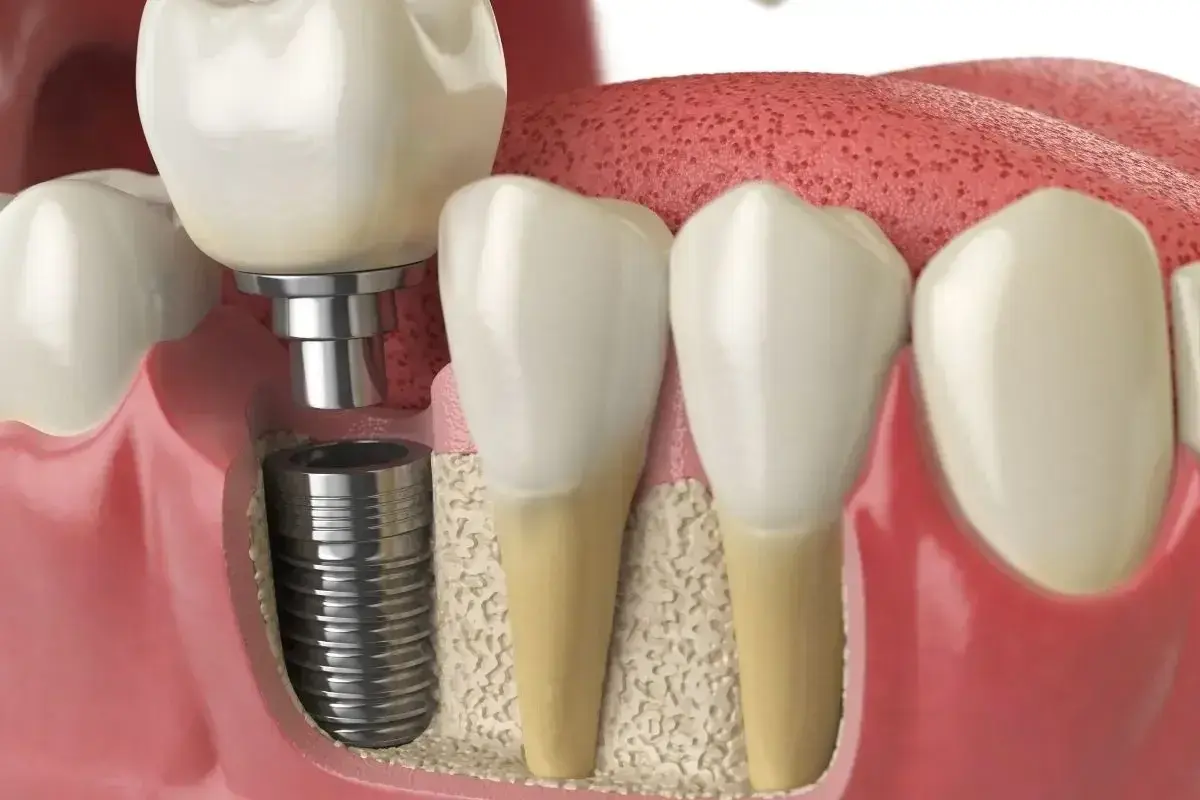
Dental implants are designed to function like natural teeth. A titanium post is placed into the jawbone, where it fuses with the bone to support a crown. This structure makes implants strong and long-lasting but also means they depend on healthy gums and bone to stay stable.
Unlike natural teeth, dental implants aren’t at risk of cavities, but they are still vulnerable to gum disease, inflammation, and bone loss. That’s why regular dental exams are so important.
Early Signs of Implant Trouble Often Go Unnoticed
Problems with dental implants often start silently. You may not feel discomfort or see changes right away, but issues like peri-implantitis (a form of gum disease that affects implants) can be developing beneath the surface.
Routine checkups allow your dentist to look for early signs of inflammation, infection, or shifting around the implant site. With X-rays and a visual exam, any small problem can be addressed before it becomes serious or leads to implant failure.
Dental Cleanings Are Just as Important for Implants
Even though dental implants don’t decay, plaque and tartar can still build up on and around them, especially near the gumline. This can lead to gum irritation or infection, which may compromise the support around your implant.
Professional cleanings remove buildup that your toothbrush or floss might miss. Dentists use special tools designed to clean around implants safely without scratching their surface or damaging the surrounding gum tissue.
Protecting the Gums and Bone Around Dental Implants
The foundation of a dental implant is the health of the surrounding tissue. If the gums become inflamed or the jawbone begins to shrink, the implant may lose its support. This is often a slow process, but one that can go unnoticed without regular monitoring.
During checkups, your dentist checks gum attachment, bone density, and how well the implant is integrated into your bite. This helps ensure the long-term success of the treatment.
Regular Visits Help Preserve Bite Alignment
Over time, natural changes in your bite or jaw alignment can put uneven pressure on your implant. This can lead to wear on the crown or stress on the bone beneath the implant.
Your dentist in Castro Valley will assess how your teeth come together and whether your implant is still fitting properly into your bite. In some cases, a nightguard or minor adjustments may be recommended to reduce excess force.
Maintaining Whole-Mouth Health Around Dental Implants
Having a healthy implant isn’t just about the implant itself—it’s about keeping your whole mouth in good condition. A cracked filling, a nearby gum infection, or untreated tooth decay in another part of your mouth can impact your implant indirectly.
Regular checkups give your dentist the opportunity to check your overall oral health and provide tailored advice to help you protect your smile as a whole.
Personalized Care for Long-Term Implant Success
Every patient’s situation is different. Whether your dental implants were placed years ago or just recently, your care plan should evolve with time. During your appointments, your provider will assess your specific needs, from brushing techniques to the use of oral rinses, to help you maintain optimal implant health.
In Castro Valley’s unique climate and lifestyle, local factors like seasonal allergies or dry mouth can even play a role in how you care for your implants—making professional guidance even more valuable.
Why Dental Implants Rely on Consistent Checkups
Dental implants are a long-term investment in your smile, and like anything valuable, they need regular maintenance to stay in excellent shape. While they’re built to last, ignoring small issues can lead to complications that affect not just the implant, but your overall oral health.
Scheduling checkups allows your dentist to detect changes early, prevent infection, and help your implant last as long as possible.