When a tooth is badly damaged, the question can feel pretty straightforward: “Should I get a root canal, or should I just have the tooth pulled?”
The answer isn’t always as simple as choosing the quicker option. A badly decayed, cracked, or infected tooth needs to be carefully evaluated to determine whether it can still be saved. In many cases, a root canal can preserve the natural tooth. In others, an extraction may be the safer or more practical choice.
If you’re dealing with tooth pain, swelling, sensitivity, or a tooth that has broken, don’t panic. Your dentist can examine the tooth, take the necessary X-rays, and explain your options.
At Valley View Dental in Castro Valley, we help patients understand what’s happening with their teeth so they can make informed decisions about their care.
First Things First: Can the Tooth Be Saved?
Before deciding between a root canal and extraction, your dentist needs to figure out how badly the tooth is actually damaged. A tooth that looks pretty rough on the outside may still be treatable, while a tooth that doesn’t look too bad may have damage underneath the gumline or inside the root.
Your dentist will typically look at the tooth, check for signs of infection or inflammation, evaluate the surrounding gums and bone, and use dental X-rays or other imaging when needed.
The big question is:
Does the tooth have enough healthy structure and support to function after treatment?
If the answer is yes, saving the natural tooth is often worth considering.
When Is a Root Canal a Good Option?
A root canal may be recommended when the inside of the tooth; the pulp – has become infected, inflamed, or severely damaged, but the tooth itself can still be restored.
Think of a root canal as a way of cleaning out the problem while keeping the tooth in place.
During root canal treatment, the dentist removes the damaged or infected pulp from inside the tooth, cleans and disinfects the root canals, and seals the space. Because the tooth may be weakened after extensive decay or treatment, a dental crown is often recommended afterward to help protect and restore its function.
For many patients, the biggest advantage is simple: you get to keep your natural tooth.
That can help preserve your normal bite and avoid some of the complications that can come with losing a tooth.
What Does a Root Canal Feel Like?
This is probably the question most patients want answered.
The idea of a root canal has a reputation for being painful, but modern dental techniques and local anesthesia make the procedure much more comfortable than many people expect.
You may have some soreness afterward, particularly if the tooth was already infected or inflamed. Your dentist will give you instructions for caring for the tooth during recovery.
And here’s something important: don’t assume that severe tooth pain automatically means you need an extraction.
In fact, pain or infection may be exactly why your dentist recommends a root canal—to remove the source of the problem while preserving the tooth.
When Might an Extraction Be the Better Choice?
Sometimes a tooth simply cannot be predictably saved. If there isn’t enough healthy tooth structure remaining, the tooth has a severe crack extending below the gumline, or it has lost significant supporting bone, extraction may be recommended.
An extraction removes the damaged tooth so the infection, pain, or other problem can be addressed.
While nobody gets excited about hearing they need a tooth pulled, there are situations where extraction is the safest option.
Your dentist should explain why the tooth cannot be saved and what the next step will be after removal.
That’s an important conversation because losing a tooth doesn’t necessarily mean your dental care ends with the extraction.
Root Canal vs. Extraction: Which One Is Better?
There isn’t one answer that works for everyone. The right choice depends on the condition of your tooth, your overall oral health, and whether the tooth can be restored successfully.
Here’s a simple way to think about it:
Root canal:
The tooth is damaged or infected inside, but enough healthy structure remains to restore it.
Extraction:
The tooth is too damaged, cracked, or unsupported to be predictably restored.
When a tooth can be saved, preserving your natural tooth is generally worth considering. However, your dentist may recommend tooth extraction when attempting to save the tooth would have a poor long-term outlook.
The goal isn’t simply to choose the least expensive or fastest treatment. It’s to find the option that gives you the best chance of comfortable, functional, long-term oral health.
What Happens If You Have the Tooth Pulled?
An extraction solves the immediate problem of removing the damaged tooth, but it can create a new question: What happens to the empty space?
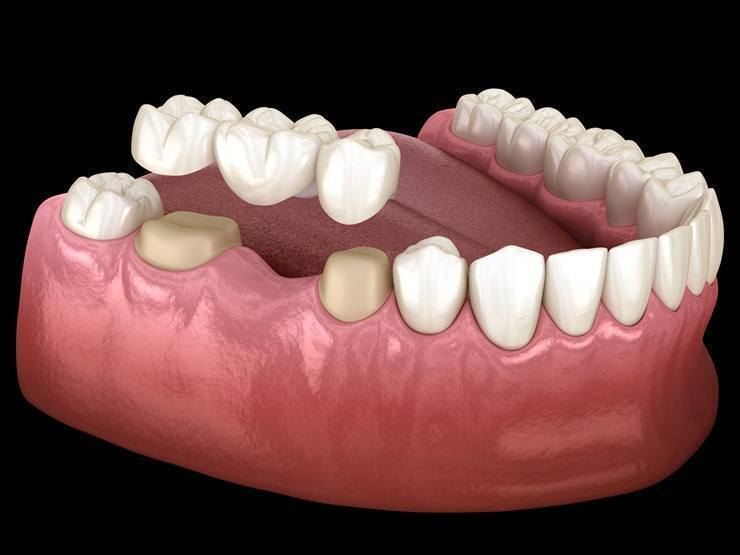
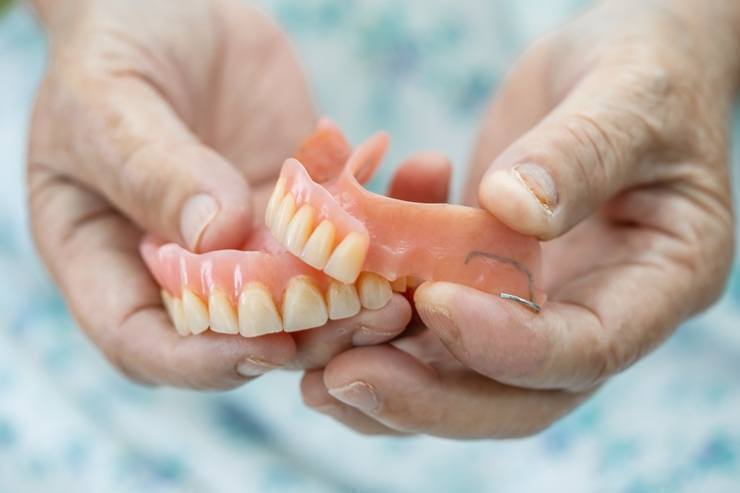
Depending on your situation, your dentist may discuss replacing the missing tooth with an implant, dental bridge, partial denture, or another option.
Replacing a missing tooth can help restore chewing function and appearance. It may also help prevent neighboring teeth from shifting into the open space.
You don’t necessarily have to decide on tooth replacement on the same day as your extraction, but it’s worth discussing your options before treatment so you know what to expect.
Don’t Wait Until a Damaged Tooth Becomes an Emergency
A damaged tooth doesn’t always hurt right away.
Sometimes tooth decay progresses quietly. A cracked tooth may only hurt when you bite down. An infection may cause swelling or a bad taste in your mouth. In other cases, the pain can become intense very quickly.
Watch for signs such as:
- Persistent or severe toothache
- Pain when biting or chewing
- Sensitivity to hot or cold
- A chipped or broken tooth
- Swelling around the tooth or gums
- A pimple or bump on the gums
- Persistent bad taste or drainage
- Fever or facial swelling
If you have significant swelling, fever, difficulty breathing or swallowing, or swelling that is spreading, seek urgent dental or medical care.
Otherwise, don’t wait for the pain to become unbearable before calling your dentist. Getting an evaluation sooner may give you more treatment options.
So, Should You Get a Root Canal or an Extraction?
If your tooth can be predictably restored, a root canal may allow you to keep your natural tooth and get back to normal function. If the tooth is too severely damaged to restore, extraction may be the more appropriate choice.
The important thing is not to make the decision based on how the tooth looks—or on what a friend, family member, or internet search tells you.
Your tooth needs to be examined by a dentist.
At Valley View Dental, located at 20406 Redwood Rd Ste C1, Castro Valley, CA 94546, we can evaluate a badly damaged tooth, explain what we’re seeing, and discuss whether a root canal, extraction, or another treatment makes sense for your situation.
If you’re dealing with a damaged or painful tooth, don’t keep putting it off and hoping it will settle down. Schedule an appointment with your Castro Valley dentist and get a clear answer about what’s going on.
Sometimes saving the tooth is possible. Sometimes taking it out is the better choice. Either way, knowing your options is the first step toward getting out of pain and protecting your smile.
Frequently Asked Questions
If the tooth can be successfully restored, a root canal may be a good option because it allows you to keep your natural tooth. However, extraction may be recommended when the tooth is too damaged or cannot be predictably restored.
Your dentist will examine the tooth and may take X-rays to determine the extent of decay, infection, cracks, and surrounding bone damage. Based on the findings, they can recommend whether a root canal or extraction is the better option.
Modern root canal treatment is performed with local anesthesia to help keep you comfortable during the procedure. Some soreness or sensitivity may occur afterward, but it is usually manageable with proper aftercare.
After an extraction, your dentist can discuss options for replacing the missing tooth, such as a dental implant, bridge, or partial denture. Replacing a missing tooth can help restore your bite, chewing ability, and appearance.