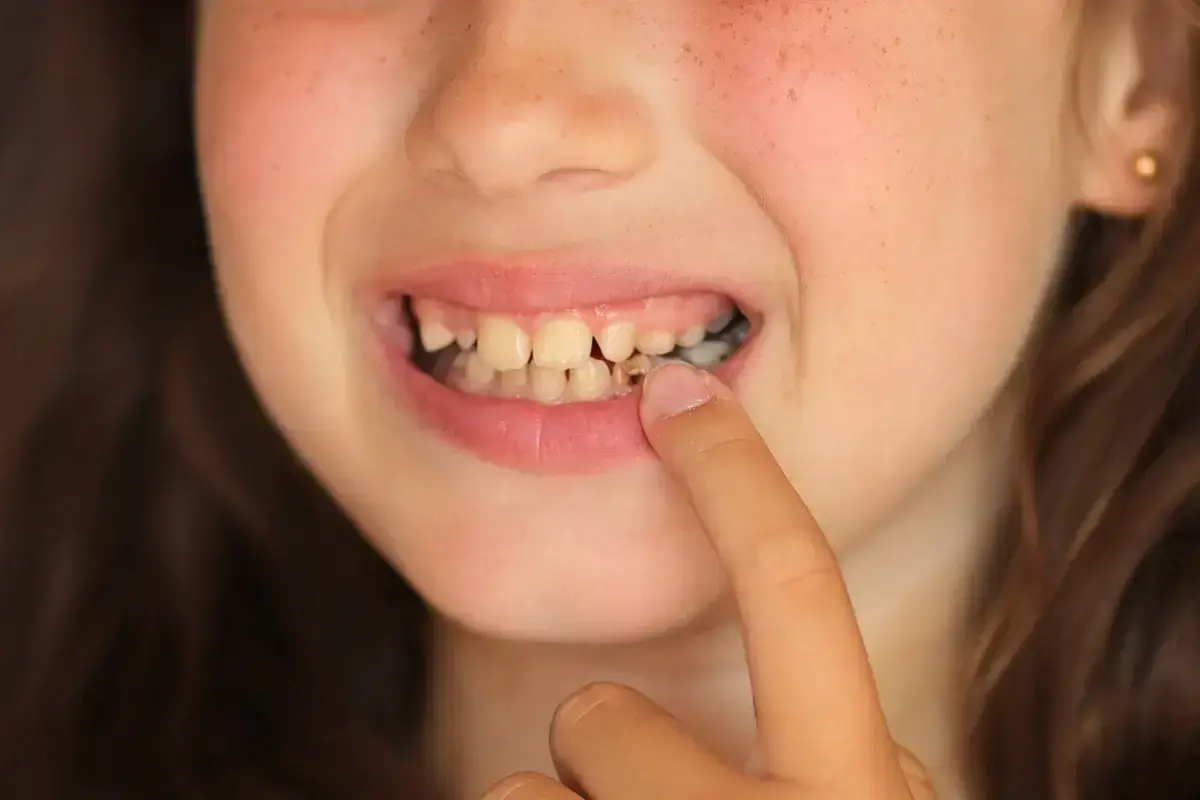
Tooth decay is one of the most common dental problems, yet many people are surprised by how quickly it can develop. A tooth may look perfectly healthy one day, and then a routine dental visit reveals a cavity beginning beneath the surface. The good news is that tooth decay is largely preventable, and when detected early, it can often be treated before it leads to more serious problems.
At Valley View Dental, Dr. Kiran Khemani, DDS, helps patients understand what causes tooth decay and provides personalized treatment options based on the condition of each tooth. Whether you are experiencing tooth sensitivity, persistent pain, or simply want to protect your smile through preventive care, understanding how cavities develop is the first step.
Let’s take a closer look at the causes of tooth decay, the warning signs to watch for, and the treatment options available for patients in Castro Valley, CA.
What Is Tooth Decay?
Tooth decay, also known as dental caries or cavities, occurs when the protective outer layer of a tooth, called enamel, becomes damaged. This damage develops gradually and is often caused by acids produced by bacteria in the mouth.
Your mouth naturally contains bacteria. Some of these bacteria feed on sugars and carbohydrates left behind after eating and drinking. As they process these substances, they produce acids that can weaken tooth enamel.
When this process happens repeatedly without proper oral hygiene, the enamel begins to lose minerals. Over time, a small weak spot can develop into a cavity.
What makes tooth decay particularly concerning is that it may not cause noticeable symptoms in its earliest stages. Regular dental examinations can help identify developing problems before they become painful or require more extensive treatment.
What Causes Tooth Decay?
Tooth decay does not usually have just one cause. Instead, several factors often work together to create an environment where cavities can develop.
Poor Oral Hygiene
Brushing and flossing are essential because they remove food particles and dental plaque from the teeth. Plaque is a sticky layer of bacteria that constantly forms in the mouth.
When plaque is not removed regularly, bacteria continue producing acids that attack the enamel. Over time, this repeated acid exposure can lead to decay.
Brushing twice a day with fluoride toothpaste and cleaning between the teeth daily can significantly reduce the risk of cavities.
Frequent Consumption of Sugary Foods and Drinks
Sugar is one of the most well-known contributors to tooth decay. However, it is not simply the amount of sugar you consume that matters. The frequency of exposure also plays an important role.
For example, sipping a sugary drink throughout the day repeatedly exposes your teeth to acids. Frequent snacking can create a similar problem because the mouth does not have enough time to recover between acid attacks.
Common sources of cavity-causing sugars include:
- Candy and sweets
- Soda and sports drinks
- Sweetened coffee or tea
- Cookies and pastries
- Sticky snacks
- Fruit juices
Reducing frequent sugar exposure and drinking water after meals can help protect your teeth.
Plaque Buildup
Plaque can collect in areas that are difficult to clean, particularly between the teeth and near the gumline. It can also accumulate in the grooves of the back teeth.
If plaque remains on the teeth for an extended period, the bacteria within it continue producing harmful acids. This can gradually weaken the enamel and eventually create cavities.
Professional dental cleanings are important because they help remove hardened deposits that regular brushing may not eliminate.
Dry Mouth
Saliva plays an important role in protecting your teeth. It helps wash away food particles, neutralize acids, and support the natural repair of enamel.
When saliva production is reduced, the risk of tooth decay can increase.
Dry mouth may occur because of certain medications, dehydration, aging, or other factors. If you are experiencing persistent dry mouth you should discuss it with your dentist in Castro Valley; so appropriate steps can be taken to protect your oral health.
Poor Diet and Frequent Snacking
A balanced diet supports both your overall health and your smile. Foods high in vitamins and minerals can help support strong teeth and gums.
Frequent snacking, especially on sugary or starchy foods, gives bacteria more opportunities to produce acids. Crackers, chips, bread, and other carbohydrates can also contribute to plaque formation when food particles remain on the teeth.
Making thoughtful dietary choices can be an important part of cavity prevention.
What Are the Early Signs of Tooth Decay?
One of the challenges with tooth decay is that early cavities may cause no discomfort at all. As decay progresses, however, certain symptoms may begin to appear.
You may notice:
- Tooth sensitivity to hot, cold, or sweet foods
- A toothache or occasional pain
- Discomfort when biting or chewing
- Visible dark spots or holes in a tooth
- Food frequently getting stuck in one area
- Persistent bad breath or an unpleasant taste
These symptoms do not always mean you have a cavity, but they are good reasons to schedule a dental examination.
Ignoring tooth pain can allow decay to progress deeper into the tooth. Early treatment is generally simpler and can help preserve more of the natural tooth structure.
How Is Tooth Decay Treated?
The right treatment for tooth decay depends on how far the damage has progressed. During your examination, your dentist can evaluate the affected tooth and recommend the most appropriate solution.
Fluoride Treatment for Early Decay
In the earliest stages of tooth decay, enamel may begin losing minerals without forming a visible cavity.
Fluoride treatments may help strengthen weakened enamel and support the remineralization process. This approach is most effective when decay is identified early.
That is one reason routine dental visits are so valuable. They allow dentists to identify changes before a cavity becomes larger.
Dental Fillings
When a cavity has formed, a dental filling is one of the most common treatment options.
The decayed portion of the tooth is carefully removed, and the area is restored with a filling material. Modern tooth-colored fillings can blend naturally with the surrounding tooth structure.
A filling restores the function of the tooth while helping prevent the decay from spreading further.
Dental Crowns
When decay is extensive and a large portion of the tooth has been damaged, a dental crown may be recommended.
A crown covers and protects the remaining tooth structure. It can restore strength, appearance, and chewing function.
Crowns are often considered when a filling alone would not provide enough support for the affected tooth.
Root Canal Treatment
If tooth decay reaches the inner portion of the tooth, known as the pulp, bacteria can cause inflammation or infection.
In these situations, root canal treatment may be necessary to remove the damaged or infected tissue and preserve the natural tooth.
After treatment, the tooth is often restored with a crown for additional protection.
Although many people feel nervous about root canal treatment, modern dental techniques are designed to make the procedure as comfortable as possible.
Tooth Extraction
When a tooth is severely damaged and cannot be restored, extraction may be the best option.
After removing the tooth, your dentist can discuss replacement options, depending on your individual needs. Replacing a missing tooth may help maintain proper bite function and prevent surrounding teeth from shifting.
Whenever possible, preserving the natural tooth is generally preferred, which is why early treatment is so important.
How Can You Prevent Tooth Decay?
The best approach to tooth decay is prevention. Small daily habits can make a meaningful difference in your long-term oral health.
Here are a few simple ways to protect your teeth:
Brush Thoroughly Twice a Day
Use fluoride toothpaste and brush for approximately two minutes. Pay special attention to the back teeth and the gumline, where plaque can easily accumulate.
Floss Every Day
A toothbrush cannot effectively clean every space between the teeth. Daily flossing helps remove plaque and food particles from areas where cavities commonly develop.
Limit Frequent Sugary Snacks and Drinks
You do not necessarily have to eliminate every sweet treat from your diet. However, reducing how often your teeth are exposed to sugar can help lower your risk of cavities.
Water is an excellent choice between meals because it helps rinse the mouth without adding sugar.
Visit Your Dentist Regularly
Professional cleanings and examinations allow dental problems to be identified early.
For patients looking for preventive and restorative dental care in Castro Valley, regular visits can help maintain a healthy smile and reduce the likelihood of more complicated treatment later.
Why Early Treatment for Tooth Decay Matters
A small cavity does not stay small forever. Once decay breaks through the enamel, it can continue moving deeper into the tooth.
What might initially require a simple filling could eventually lead to the need for a crown, root canal treatment, or extraction.
Early treatment can offer several benefits:
- Preserves more natural tooth structure
- Helps prevent toothaches
- Reduces the risk of infection
- May require less extensive treatment
- Can help lower future dental costs
If something feels unusual with one of your teeth, it is always better to have it checked sooner rather than waiting for the discomfort to become severe.
Tooth Decay Treatment at Valley View Dental in Castro Valley, CA
At Valley View Dental, patients receive individualized care based on their unique dental needs. Dr. Kiran Khemani, DDS, takes the time to evaluate each concern and explain available treatment options clearly.
Whether you need preventive care, a dental filling, or treatment for more advanced tooth decay, having a trusted dental team can make the process feel much more manageable.
The goal is not simply to treat the cavity. It is also to understand why the problem developed and help you protect your smile moving forward.
If you are experiencing tooth sensitivity, pain, or other possible signs of decay, scheduling a dental visit can provide answers and peace of mind.
Schedule Your Visit at Valley View Dental
Tooth decay can often be prevented, and early treatment can make a significant difference in protecting your natural teeth.
If you are looking for professional dental care in Castro Valley, CA, visit Valley View Dental at 20406 Redwood Rd., Ste C1, Castro Valley, CA 94546.
Dr. Kiran Khemani, DDS, and the team are here to help you understand your oral health and explore the treatment options that best fit your needs.
Do not wait for a small dental concern to become a painful problem. Contact Valley View Dental today to schedule your appointment and take a positive step toward a healthier, stronger smile.
Frequently Asked Questions About Tooth Decay
Q 1. What is the main cause of tooth decay?
Ans: Tooth decay develops when bacteria in the mouth feed on sugars and carbohydrates, producing acids that gradually weaken and damage tooth enamel.
Q 2. Can early tooth decay be reversed?
Ans: In some cases, very early enamel damage may be improved through fluoride treatments, good oral hygiene, and dietary changes before a cavity fully develops.
Q 3. How do dentists treat cavities?
Ans: Treatment depends on the severity of the decay. Options may include fluoride treatment, dental fillings, crowns, root canal treatment, or extraction for severely damaged teeth.
Q 4. Can tooth decay cause a toothache?
Ans: Yes. As decay progresses deeper into the tooth, it can cause sensitivity, pain when chewing, and persistent toothaches.
Q 5. How can I prevent tooth decay?
Ans: Brush twice daily with fluoride toothpaste, floss every day, limit frequent sugary snacks and drinks, drink plenty of water, and visit your dentist regularly for checkups and cleanings.