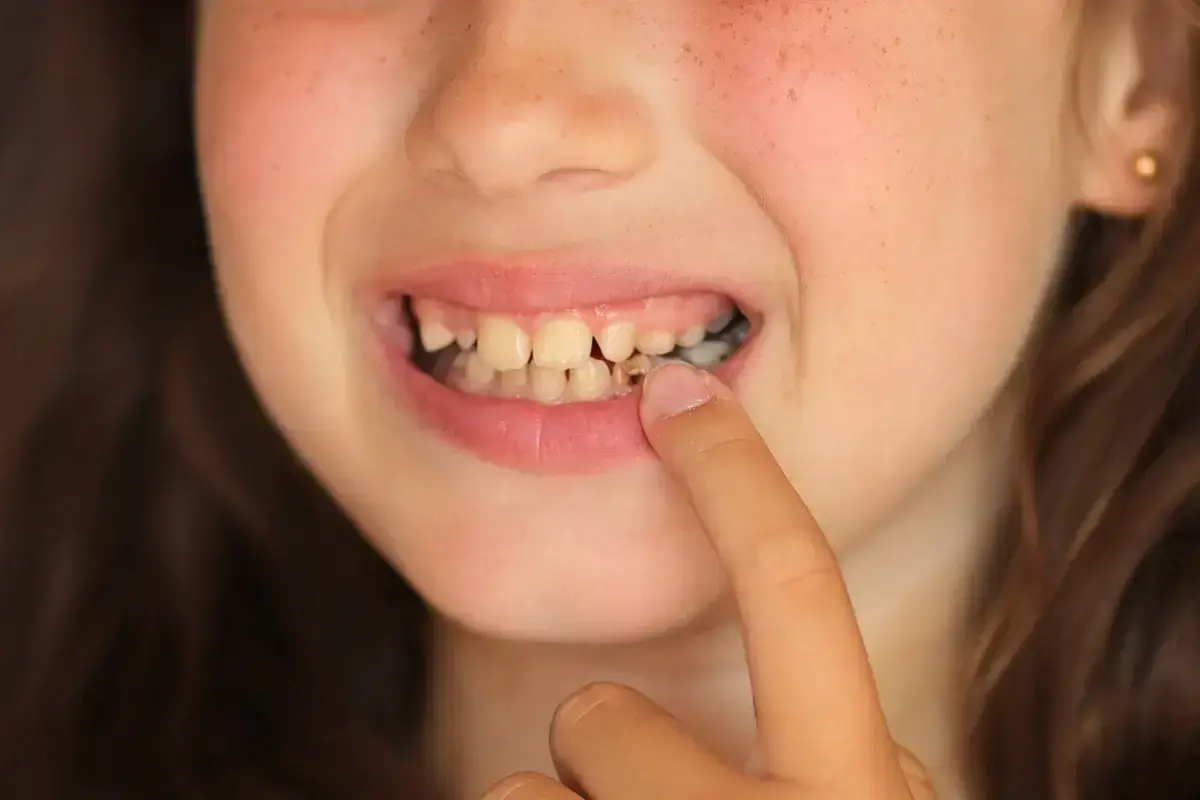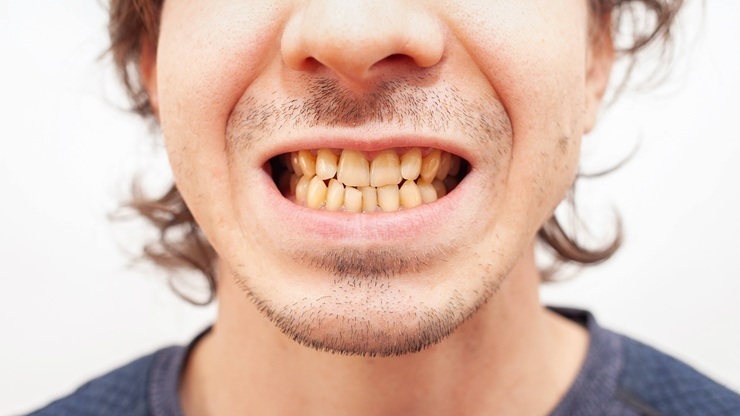
You brush twice a day, floss regularly, and may even use whitening toothpaste, yet certain stains on your teeth refuse to disappear. This can be frustrating, especially when the discoloration affects the teeth people see when you smile. The reason may be simple: not every tooth stain develops on the surface, and different types of discoloration respond differently to cleaning and whitening.
Coffee, tea, red wine, tobacco, aging, certain medications, and changes within a tooth can all affect tooth color. Understanding what caused the discoloration is therefore an important first step before trying another whitening product.
At Valley View Dental, Kiran Khemani DDS, we help patients in Castro Valley understand the source of tooth discoloration before recommending an appropriate approach. Dr. Kiran Khemani evaluates the teeth and oral health so patients can make informed decisions about improving the appearance of their smiles.
If stains have stopped responding to your normal oral hygiene routine, consider visiting our Castro Valley dental office for an evaluation and professional recommendations.
Why Do Some Tooth Stains Refuse to Go Away?
The color you see when you look at a tooth is influenced by both its outer enamel and the dentin underneath it. As a result, discoloration can occur at different depths.
Dental stains are generally classified as extrinsic, intrinsic, or a combination of both.
Surface stains may respond to brushing, professional cleaning, or whitening. Deeper discoloration can be more challenging because the pigments or color changes are located within the tooth structure.
That distinction explains why repeatedly brushing a dark or yellow area does not necessarily make it disappear.
What Is the Difference Between Extrinsic and Intrinsic Tooth Stains?
Understanding these two categories can make whitening choices much clearer.
Extrinsic Stains
Extrinsic stains develop primarily on the outer surface of the enamel. Common contributors include:
- Coffee
- Black tea
- Red wine
- Cola and other dark beverages
- Darkly pigmented foods
- Smoking or tobacco use
- Plaque accumulation
These stains can gradually make teeth look yellow, brown, or dull. Some surface discoloration responds well to routine dental cleaning or whitening products.
Intrinsic Stains
Intrinsic discoloration occurs within the enamel or dentin rather than simply sitting on the surface.
Potential causes include:
- Natural aging
- Dental trauma
- Certain medications taken during tooth development
- Fluorosis
- Changes involving the dental pulp
- Developmental conditions affecting enamel or dentin
Intrinsic stains may not improve significantly through brushing or stain-removing toothpaste because the discoloration is located deeper inside the tooth.
Why Are My Teeth Still Yellow Even Though I Brush Every Day?
Brushing is essential for maintaining oral health, but brushing and whitening are not the same process.
A toothbrush helps remove plaque, food debris, and some external staining. It cannot completely change the natural color of dentin beneath the enamel.
Teeth may also become more yellow with age. Over time, enamel can become thinner and more translucent, allowing the naturally yellower dentin underneath to become increasingly visible.
Therefore, yellow teeth do not automatically indicate poor oral hygiene.
If you brush consistently but remain unhappy with the shade of your smile, a dental evaluation can help determine whether you are seeing surface staining, deeper discoloration, or your natural tooth color.
Why Whitening Toothpaste May Not Remove Stubborn Stains
Whitening toothpaste is commonly the first product people try. However, its capabilities are limited.
Most whitening toothpastes work largely by polishing away external stains. They can be useful for discoloration caused by foods and beverages, but they usually cannot substantially alter deeper intrinsic discoloration.
Aggressively brushing in an attempt to scrub away a stain is not the solution. Excessive brushing pressure can contribute to enamel wear and gum irritation.
If a stain remains despite appropriate brushing and oral hygiene, it is better to have it evaluated than to keep brushing harder.
What Causes Stubborn Tooth Discoloration?
Several factors can produce stains that are difficult to manage at home.
1. Coffee and Tea
Coffee and tea contain dark pigments that can gradually accumulate on enamel. Frequent consumption can make discoloration increasingly noticeable.
2. Red Wine
Red wine contains strong pigments and tannins. Repeated exposure can contribute to surface staining, particularly when combined with other stain-producing habits.
3. Tobacco
Smoking and other forms of tobacco use can produce persistent yellow or brown discoloration that may become increasingly difficult to remove.
4. Aging
Tooth color naturally changes with age. As enamel becomes thinner and more translucent, underlying dentin becomes more visible.
5. Medications
Certain medications, particularly when exposure occurs during tooth development, can result in deeper intrinsic discoloration.
6. Dental Trauma
A tooth that has suffered an injury can sometimes become gray, brown, or darker than surrounding teeth. A single tooth that suddenly changes color should be evaluated by a dentist rather than treated solely as a cosmetic problem.
7. Existing Dental Restorations
Crowns, fillings, veneers, and other tooth-colored restorations do not respond to bleaching agents in the same way natural enamel does. This can sometimes create a shade mismatch after surrounding natural teeth are whitened.
When Should You See a Dentist About Tooth Discoloration?
Not every tooth stain is merely cosmetic.
Schedule a dental evaluation when you notice:
- One tooth becoming significantly darker than neighboring teeth
- A new brown, black, or gray area
- Discoloration accompanied by pain or sensitivity
- A visible spot that does not improve with brushing
- A tooth changing color following an injury
- Persistent staining despite consistent oral hygiene
- Discoloration around a filling or other restoration
A dental examination helps distinguish ordinary staining from discoloration that could be associated with another dental concern.
Can Professional Whitening Remove Stubborn Tooth Stains?
Professional whitening can improve many forms of discoloration, but results depend on the type and cause of the stain.
Whitening agents commonly contain hydrogen peroxide or carbamide peroxide. These ingredients penetrate dental hard tissues and chemically alter stain-causing compounds rather than simply polishing the tooth surface.
For patients considering teeth whitening in Castro Valley, the first step should be determining whether their discoloration is likely to respond to bleaching.
Whitening tends to work particularly well for many yellow and food- or beverage-related stains. Some deeper stains may improve more gradually or require a different cosmetic strategy.
No responsible whitening recommendation should assume every patient or every stain will respond identically.
What Professional Whitening Options Are Available at Valley View Dental?
At Valley View Dental, our professional whitening option is designed for patients who want a noticeable improvement without relying solely on months of over-the-counter products.
Our Whitening for Life treatment is performed in the dental office. According to our current treatment information, the procedure generally takes approximately 45 to 60 minutes and may brighten the smile by up to eight shades, although individual results can vary.
During treatment:
- The lips and gums are protected so the teeth remain exposed.
- Whitening gel is applied to the teeth.
- A specially designed light is used with the whitening gel.
- The process is repeated in several approximately 15-minute intervals.
- Touch-up trays may be provided afterward to help maintain the result when appropriate.
Patients exploring teeth whitening in Castro Valley can discuss their current tooth shade, stain type, expectations, and dental history before deciding whether professional whitening is suitable for them.
Professional Whitening vs. Store-Bought Whitening Products
Over-the-counter whitening products can be useful in selected situations, but they are not interchangeable with professionally supervised treatment.
Whitening Toothpaste
Whitening toothpaste primarily targets superficial stains. It may produce modest changes but generally cannot address deeper tooth discoloration.
Whitening Strips and Paint-On Gels
These products use bleaching ingredients and can lighten natural teeth. Results typically develop gradually, and coverage may be less consistent depending on product use and tooth position.
Take-Home Whitening Trays
Dentist-supervised take-home trays provide another option. Whitening occurs progressively as the trays and prescribed whitening material are used according to instructions.
In-Office Whitening
In-office treatment offers professional supervision and faster visible results. It also allows the dentist to evaluate your teeth before treatment and protect the surrounding soft tissues during the procedure.
At Valley View Dental, our website describes Whitening for Life as providing immediate results compared with the more gradual improvement associated with take-home trays and retail products.
Can All Teeth Be Whitened?
No. This is an important limitation patients should understand before whitening.
Bleaching products work on natural tooth structure. They do not whiten dental restorations such as:
- Crowns
- Veneers
- Tooth-colored fillings
- Bridges
If restorations are visible when you smile, whitening the surrounding natural teeth could create a noticeable color difference.
Certain intrinsic stains may also respond less predictably than ordinary yellow or surface discoloration. That is another reason professional evaluation is useful before beginning treatment.
Does Professional Teeth Whitening Cause Sensitivity?
Temporary tooth sensitivity and gum irritation are among the most commonly reported side effects of tooth whitening.
Sensitivity does not affect everyone equally. The concentration of whitening material, treatment duration, existing sensitivity, and individual tooth characteristics can influence how someone feels during or after treatment.
Tell your dentist if you already experience sensitivity to cold drinks, sweets, or temperature changes. Your dental team can consider this information when discussing whether whitening is appropriate and how treatment should be approached.
How Can You Keep Teeth From Becoming Stained Again?
No whitening treatment permanently prevents future staining. Your everyday habits influence how long your brighter shade remains noticeable.
To reduce new discoloration:
- Brush twice daily with fluoride toothpaste.
- Floss every day.
- Keep up with professional dental cleanings.
- Rinse your mouth with water after consuming dark beverages.
- Limit frequent exposure to heavily pigmented foods and drinks.
- Avoid tobacco products.
- Follow your dentist’s recommendations for whitening touch-ups.
You do not necessarily have to eliminate coffee or tea completely. Being mindful of frequency and maintaining consistent oral hygiene can help reduce new surface staining.
Why Identifying the Stain Should Come Before Whitening
One of the biggest mistakes people make is assuming every dark or yellow area requires a stronger whitening product.
A dentist looks beyond color alone. We consider whether discoloration involves one tooth or several teeth, whether it appeared suddenly or gradually, where it is located, and whether other symptoms are present.
This diagnostic step matters because whitening is a cosmetic treatment, not a solution for every condition that can make a tooth appear dark.
It also helps establish realistic expectations. Some stains respond dramatically to whitening, while others improve only partially.
Find the Right Solution for Stubborn Tooth Stains in Castro Valley
Stubborn tooth discoloration does not necessarily mean you need to keep switching toothpastes or trying stronger store-bought products. The better approach is to identify whether the stain is on the enamel, within the tooth, related to natural aging, or associated with another dental concern.
At Valley View Dental, Kiran Khemani DDS, we help Castro Valley patients understand why their teeth have changed color and what options may be appropriate for improving their smiles. If you are considering teeth whitening in Castro Valley, we can evaluate your tooth color and discuss what type of improvement may realistically be possible.
If stains continue to bother you despite regular brushing and dental care, schedule a visit with our Castro Valley dental team. A professional evaluation can help you choose a safer and more predictable path toward a brighter smile.
Frequently Asked Questions About Stubborn Tooth Stains
Ans: Some stains sit deeper than the enamel surface, so normal brushing cannot remove them. Intrinsic discoloration, aging, medications, trauma, and natural dentin color may require professional evaluation rather than more aggressive brushing or whitening toothpaste.
Ans: Many coffee stains are extrinsic and can respond to professional cleaning or whitening. Long-standing discoloration may be more difficult to lighten completely. Your dentist can examine the stain and recommend an appropriate whitening approach.
Ans: Gray, blue-gray, and certain medication-related intrinsic stains can be less predictable than common yellow discoloration. The response depends on the cause and depth of the stain, so a dental evaluation is important before treatment.
Ans: A single dark tooth can result from previous trauma, changes inside the tooth, decay, or other dental conditions. Because whitening may not address the underlying problem, an isolated color change should be professionally evaluated first.
Ans: Professional treatment can provide faster, more controlled whitening, while strips generally produce gradual changes. The right choice depends on stain type, sensitivity, dental restorations, oral health, and the amount of whitening you hope to achieve.