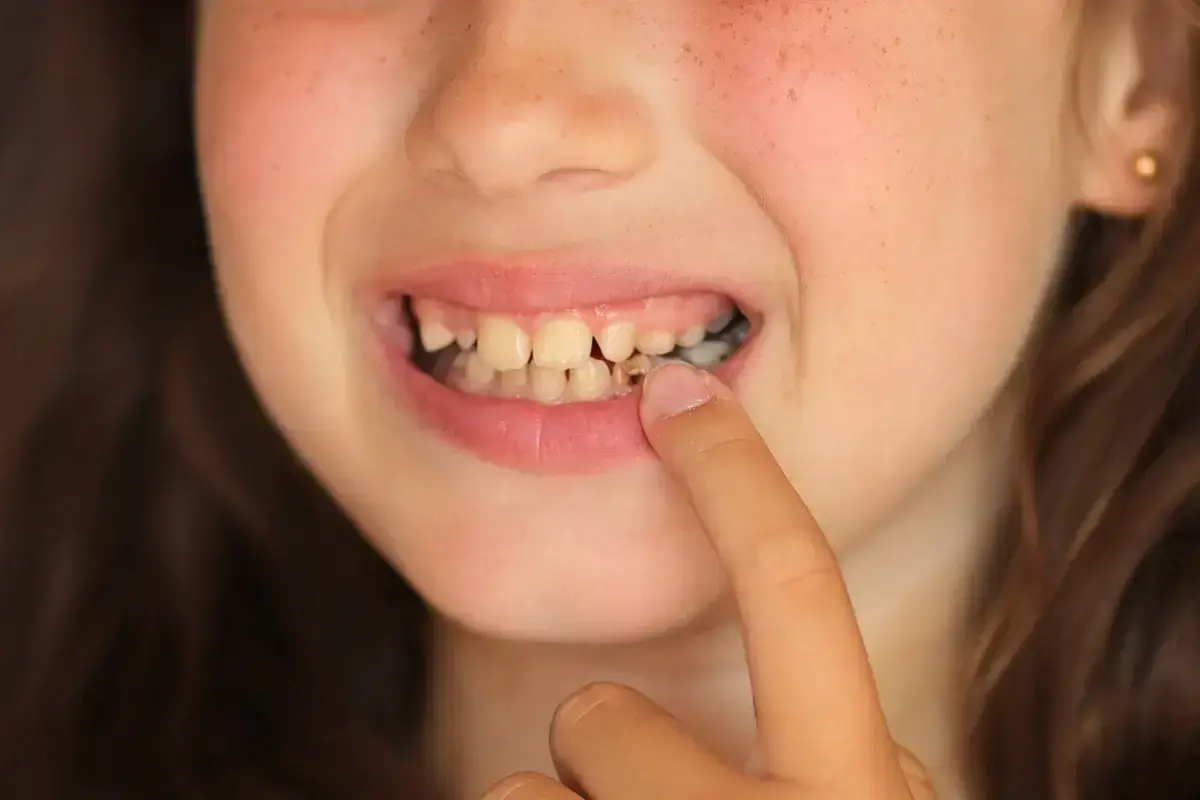
A healthy smile starts with something simple: keeping plaque under control. You may not notice plaque when it first forms, but this soft, sticky film develops on your teeth every day. If it isn’t removed regularly, it can contribute to cavities, irritated gums, bad breath, and more serious gum problems over time.
The good news? Plaque control doesn’t have to be complicated. A consistent routine of brushing, cleaning between your teeth, eating thoughtfully, and visiting your dentist can make a meaningful difference.
At Valley View Dental in Castro Valley, we believe good oral health begins with understanding what’s happening inside your mouth. So, let’s take a closer look at plaque, why it matters, and what you can do about it.
What Exactly Is Dental Plaque?
Think of plaque as a thin, constantly developing layer that settles on your teeth. It contains bacteria, food particles, and other substances found naturally in your mouth. Every time you eat or drink, those bacteria can interact with sugars and starches, creating acids that may attack tooth enamel.
Plaque is especially troublesome because it can collect in places that are easy to overlook—along the gumline, between teeth, and around dental restorations.
And here’s the important part: plaque doesn’t simply disappear on its own.
Regular brushing and cleaning between your teeth help physically remove it before it can cause problems. The American Dental Association recommends brushing twice a day with fluoride toothpaste and cleaning between teeth once a day.
What Happens When Plaque Is Left Behind?
This is where a small daily habit can become a bigger dental concern.
When plaque remains on your teeth, it can eventually harden into tartar, also called dental calculus. Unlike soft plaque, tartar cannot be removed effectively with ordinary brushing at home and generally requires professional dental cleaning.
Plaque and tartar can irritate the gums, causing them to become red, swollen, or tender. Bleeding while brushing or cleaning between your teeth can also be a sign that your gums need attention. If you are experiencing bleeding gums, don’t wait for the problem to get worse. Contact your Castro Valley dentist today for bleeding gum treatment and find out what may be causing the irritation.
Early gum inflammation is known as gingivitis. Addressing plaque buildup and improving daily oral hygiene can help protect your gums before problems become more advanced.
Plaque Control Helps Protect Against Cavities
Your gums aren’t the only part of your mouth affected by plaque. Your teeth are also vulnerable.
Plaque bacteria can use sugars and carbohydrates from your diet and produce acids that attack tooth enamel. Repeated acid attacks can contribute to tooth decay.
That is one reason brushing with fluoride toothpaste is so important. The ADA recommends brushing twice a day for two minutes with fluoride toothpaste as part of an effective home-care routine.
However, brushing is only part of the picture.
Your toothbrush cannot effectively reach every surface between tightly positioned teeth. That’s where floss or another appropriate interdental cleaner comes in. Cleaning between your teeth helps remove plaque and food debris from areas your toothbrush may miss.
Brushing: Are You Getting the Most From Those Two Minutes?
Two minutes may not sound like much, but technique matters.
Use a soft-bristled toothbrush and gently clean all tooth surfaces. Pay particular attention to the area where your teeth meet your gums, since plaque can accumulate along this edge.
The ADA recommends holding the toothbrush at approximately a 45-degree angle toward the gumline and using gentle, short back-and-forth strokes. Both manual and powered toothbrushes can be effective when used properly.
Don’t forget the often-missed areas:
- The outside surfaces of your teeth
- The inside surfaces
- The chewing surfaces
- Along the gumline
- The backs of your front teeth
And don’t brush harder simply because you want a “cleaner” feeling. More pressure isn’t necessarily better. Gentle, thorough brushing is the goal.
Don’t Forget the Spaces Between Your Teeth
If brushing is the first line of defense against plaque, cleaning between your teeth is the part that fills in the gaps.
Dental floss, interdental brushes, and other interdental cleaners can help reach areas that toothbrush bristles cannot adequately clean. The best option can depend on the spacing between your teeth and your individual oral health needs.
There is no prize for choosing the fanciest product. What matters most is using an appropriate method consistently and correctly.
If traditional floss feels awkward, ask your dental team about alternatives. Some people find floss picks, interdental brushes, or water flossers easier to incorporate into their routines.
What About Mouthwash?
Mouthwash can be a useful addition to an oral hygiene routine, but it shouldn’t replace brushing or cleaning between your teeth.
Think of your daily routine as a team effort: brushing physically removes plaque from tooth surfaces, interdental cleaning reaches between teeth, and certain oral-care products may provide additional benefits depending on your individual needs.
If you are unsure whether a particular mouthwash or toothpaste is appropriate for you, your dentist can help you choose based on your oral health rather than simply what happens to be popular on the store shelf.
Your Diet Matters, Too
Plaque control isn’t just about what happens in front of the bathroom mirror.
What you eat and how frequently you consume sugary foods and drinks can influence your risk of tooth decay. Frequent exposure to sugars gives plaque bacteria more opportunities to produce acids that affect your teeth.
Water is a simple choice throughout the day, particularly after meals or snacks. And while sugar-free chewing gum can sometimes contribute to reduced cavity risk by stimulating saliva, it should complement—not replace—regular brushing and interdental cleaning.
Small choices repeated consistently can add up to a healthier routine.
Professional Dental Cleanings Still Matter
Even people who brush and floss diligently can develop areas of buildup that are difficult to manage at home.
Professional dental cleanings help remove hardened deposits and allow your dental team to evaluate the condition of your teeth and gums. Regular dental visits can also give you an opportunity to catch potential problems early.
At Valley View Dental in Castro Valley, our office provides comprehensive dental care, including routine checkups and cleanings as well as gum treatment and other general and cosmetic services.
The goal isn’t simply to clean your teeth once or twice a year. It’s to help you develop an oral-care routine that works for your mouth and your lifestyle.
A Simple Plaque-Control Routine to Start Today
If your current routine needs a reset, don’t overthink it. Start with the basics:
Morning: Brush for two minutes with fluoride toothpaste.
During the day: Choose tooth-friendly snacks and drink water regularly.
Evening: Brush again and clean carefully between your teeth.
Every few months: Replace your toothbrush or brush head when it becomes worn or according to the manufacturer’s recommendations. The ADA generally recommends replacing toothbrushes every three to four months, or sooner if the bristles become frayed.
Regularly: Visit your dentist for examinations and professional cleanings based on your individual needs.
Keep Your Smile Healthy, One Day at a Time
Plaque control may sound like a small part of dental care, but it plays a major role in protecting your teeth and gums. The goal isn’t perfection. It’s consistency.
Two minutes of brushing. A few minutes to clean between your teeth. Smarter everyday choices. Regular professional care.
Those simple habits can give your smile a much better chance of staying healthy for years to come.
If you’re in Castro Valley and would like personalized guidance on keeping plaque, cavities, or gum problems under control, Valley View Dental is located at 20406 Redwood Rd., Ste C1, Castro Valley, CA. You can contact the office at (510) 470-9952 or visit the practice website to request an appointment.
Frequently Asked Questions
Plaque control helps remove the bacteria and food debris that collect on teeth. Regular brushing and cleaning between teeth can help reduce the risk of cavities, gingivitis, and other gum problems.
Yes. Plaque buildup along the gumline can irritate the gums and may contribute to redness, swelling, and bleeding. If your gums bleed regularly, contact your Castro Valley dentist for an evaluation and appropriate bleeding gum treatment.
The American Dental Association recommends brushing twice a day for two minutes with fluoride toothpaste. Cleaning between your teeth once a day also helps remove plaque from areas your toothbrush may not reach.
No. Once plaque hardens into tartar, regular brushing cannot effectively remove it. Professional dental cleaning is generally needed to remove hardened deposits and help keep your teeth and gums healthy.
If your gums frequently bleed when brushing or cleaning between your teeth, it’s a good idea to schedule a dental examination. Early evaluation can help identify the cause and determine whether bleeding gum treatment is needed.