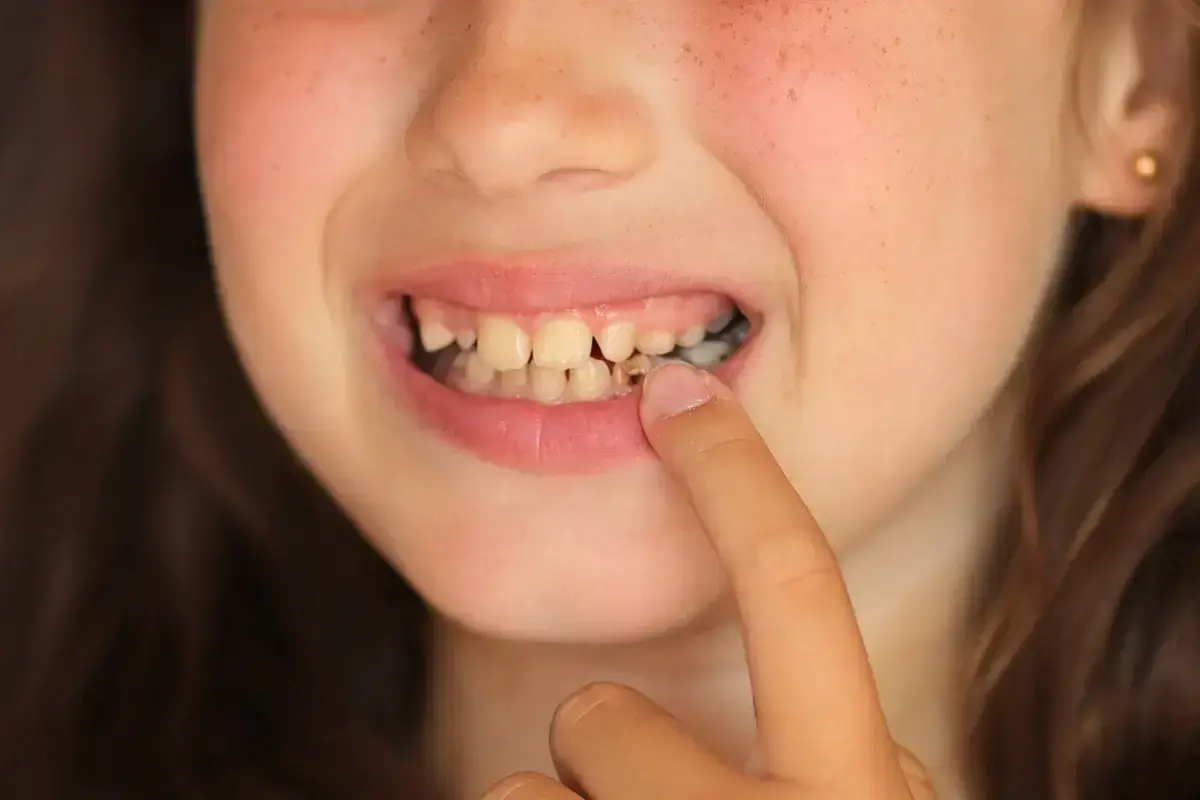
Life gets busy, and it’s easy to postpone routine dental appointments when there isn’t any obvious pain or discomfort. However, waiting until a problem becomes noticeable often means the issue has already progressed. Regular dental checkups are designed to catch concerns early, helping patients maintain healthy teeth and gums while avoiding more complex treatments in the future.
Many oral health conditions begin quietly. Cavities, gum disease, and even cracked teeth may develop without causing immediate symptoms. By the time discomfort appears, treatment may be more extensive than it would have been during an earlier stage. That’s why preventive dental care remains one of the most valuable investments you can make in your long-term health.
Whether you’re searching for a trusted dentist in Castro Valley CA or simply looking for ways to protect your family’s oral health, understanding the importance of routine dental visits can help you avoid unnecessary complications. At Valley View Dental, we believe prevention is always better than treatment, and regular checkups play a key role in keeping your smile healthy.
Routine Dental Checkups Do More Than Clean Your Teeth
Many people think of a dental appointment as simply having their teeth cleaned, but there’s much more involved.
During a routine checkup, your dentist evaluates your entire oral health, looking for early signs of problems that may not yet be visible or painful. Professional cleanings remove plaque and tartar that brushing and flossing alone cannot eliminate, while comprehensive examinations help identify concerns before they worsen.
Routine visits commonly include:
- Professional teeth cleaning
- Examination of teeth and gums
- Oral cancer screening
- Evaluation of existing fillings or crowns
- Digital X-rays when needed
- Personalized oral hygiene recommendations
These preventive services work together to reduce the likelihood of serious dental problems developing over time.
Small Cavities Can Become Major Dental Problems
One of the biggest reasons to keep regular dental appointments is the early detection of tooth decay.
A cavity usually begins as a small area of weakened enamel. During this stage, treatment is often simple and minimally invasive. However, when left untreated, decay continues to spread deeper into the tooth.
As the cavity progresses, it may eventually reach the inner pulp, where nerves and blood vessels are located. At that point, patients often experience pain, sensitivity, or infection that may require root canal therapy or even tooth extraction.
Finding cavities early helps preserve more of the natural tooth while reducing both treatment time and expense.
Gum Disease Often Develops Without Notice
Unlike a toothache, gum disease frequently develops without causing significant discomfort in its early stages.
Plaque that remains along the gumline can gradually irritate the surrounding tissues, leading to gingivitis. Without treatment, the condition may progress into periodontitis, a more advanced form of gum disease that affects the structures supporting the teeth.
Warning signs may include:
- Bleeding while brushing
- Persistent bad breath
- Red or swollen gums
- Gum recession
- Loose teeth
Routine dental checkups allow your dentist to identify these changes early, often before permanent damage occurs.
Dental Problems Rarely Fix Themselves
One common misconception is that minor dental concerns will eventually improve without treatment.
Unfortunately, most oral health problems continue to progress over time.
A small crack may become a fractured tooth. Mild gum inflammation can develop into periodontal disease. A tiny cavity may grow until it causes severe pain or infection.
Delaying care often leads to more complicated procedures, longer recovery times, and higher treatment costs.
Addressing problems early typically results in more conservative and predictable treatment.
Professional Cleanings Remove What Brushing Cannot
Daily brushing and flossing are essential, but even excellent home care cannot remove hardened tartar.
Once plaque hardens into tartar, it bonds tightly to the tooth surface and requires professional instruments for safe removal.
If tartar remains in place, it creates an environment where bacteria continue to thrive, increasing the risk of:
- Cavities
- Gum disease
- Bad breath
- Tooth sensitivity
- Gum recession
Professional cleanings help maintain healthier teeth and gums while supporting your daily oral hygiene routine.
Your Dentist Can Detect Hidden Problems Early
Some dental issues develop beneath the surface where they cannot be seen during routine brushing.
Digital X-rays and comprehensive examinations help identify concerns such as:
- Decay between teeth
- Bone loss
- Impacted teeth
- Developing infections
- Cracked roots
- Jaw abnormalities
- Failing dental restorations
Detecting these conditions early often allows for simpler treatment and better long-term outcomes.
Oral Health Affects More Than Your Teeth
Your mouth plays an important role in your overall health.
Inflamed gums and untreated oral infections may contribute to discomfort while eating, speaking, and maintaining proper nutrition. Poor oral health can also reduce confidence, affect social interactions, and interfere with daily activities.
Regular dental visits support not only healthy teeth but also healthier gums, fresher breath, improved comfort, and better overall well-being.
Taking care of your mouth is an important part of taking care of your body.
Children Benefit from Routine Dental Visits Too
Preventive care isn’t just important for adults.
Children’s dental checkups allow dentists to monitor:
- Tooth eruption
- Jaw development
- Bite alignment
- Early cavities
- Oral hygiene habits
- Fluoride needs
- Sealant recommendations
Early dental visits also help children become comfortable in the dental office, reducing anxiety and encouraging positive oral health habits that can last throughout adulthood.
Preventive Care Helps Save Time and Money
Some people postpone routine dental appointments because they hope to save money.
Ironically, preventive care is often the most cost-effective approach.
Routine cleanings and examinations may help prevent the need for:
- Large fillings
- Root canal therapy
- Dental crowns
- Gum disease treatment
- Tooth extractions
- Dental implants
Investing in regular preventive care today may significantly reduce future dental expenses while helping preserve your natural teeth.
Healthy Habits Between Dental Visits
Your daily routine plays an important role in maintaining oral health between appointments.
Simple habits include:
- Brushing twice each day with fluoride toothpaste
- Flossing daily
- Drinking water regularly
- Limiting sugary foods and beverages
- Eating a balanced diet
- Avoiding tobacco products
- Wearing a mouthguard during sports
- Scheduling regular dental checkups
Combining excellent home care with professional preventive dentistry provides the strongest defense against oral disease.
Don’t Wait Until Something Hurts
Pain is often the last sign that a dental problem has become serious.
Many oral health conditions remain painless during their early stages, which is exactly when treatment is most effective.
Rather than waiting for discomfort to appear, maintaining routine dental visits allows your dentist to identify and treat concerns while they are still small and easier to manage.
Consistent preventive care helps protect your smile for years to come.
Trust Valley View Dental for Preventive Dental Care in Castro Valley
Skipping routine dental checkups may seem harmless, but small oral health issues can quickly become larger, more costly problems when left untreated. Regular preventive visits help detect cavities, gum disease, infections, and other concerns before they affect your comfort or require extensive treatment.
At Valley View Dental, located at 20406 Redwood Rd Ste C1, Castro Valley, CA 94546, USA, we’re committed to helping patients of all ages maintain healthy smiles through personalized, preventive dental care. Our experienced team provides thorough examinations, professional cleanings, and patient-focused guidance in a welcoming environment designed to support your long-term oral health.
Frequently Asked Questions
How often should I schedule a dental checkup?
Most patients benefit from visiting the dentist every six months. However, your dentist may recommend more frequent visits based on your oral health needs.
Can skipping one dental appointment really make a difference?
Even one missed appointment may allow small dental problems to progress unnoticed. Regular checkups help detect issues before they become more serious.
Why are professional cleanings necessary if I brush every day?
Brushing removes plaque, but hardened tartar can only be removed during a professional dental cleaning.
Are dental checkups important if I don’t have tooth pain?
Yes. Many dental conditions, including cavities and gum disease, develop without noticeable symptoms during their early stages.