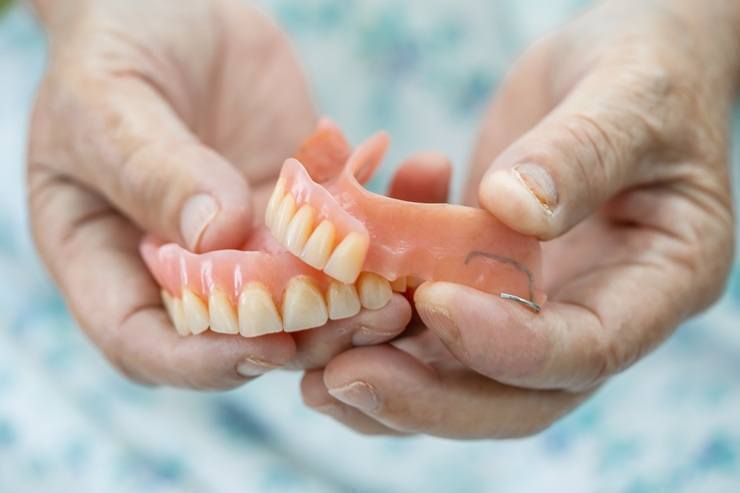
Missing a tooth affects far more than just the appearance of your smile. Whether caused by decay, injury, or natural aging, tooth loss creates functional challenges that disrupt daily life. Simple activities like chewing your favorite foods, speaking clearly, or smiling confidently can suddenly feel uncomfortable. Beneath the surface, missing teeth also trigger a domino effect in your mouth: neighboring teeth begin to shift into the open space, altering your bite alignment and increasing the risk of jaw discomfort and gum issues.
Fortunately, modern restorative dentistry offers proven, highly effective solutions to restore complete oral function and aesthetics. At Valley View Dental, Kiran Khemani DDS, lead practitioner Dr. Kiran Khemani provides personalized restorative care to rebuild healthy, vibrant smiles using advanced techniques and custom-crafted prosthetics.
If you are searching for dependable options for dental bridges in Castro Valley, understanding how bridges work, their advantages, and what the restoration process entails can help you make an informed decision for your long-term oral health.
What Is a Dental Bridge and How Does It Work?
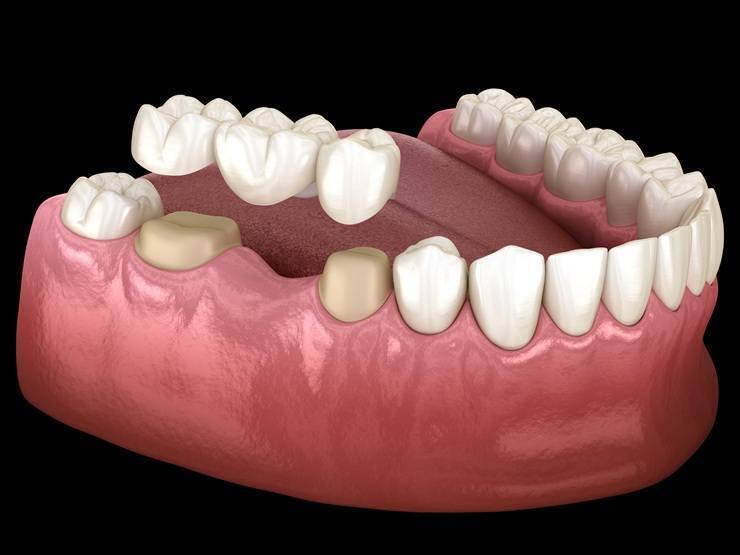
A dental bridge is a fixed prosthetic device designed to fill or “bridge” the gap created by one or more missing consecutive teeth. Unlike removable partial dentures, a bridge is anchored securely in place and can only be removed by a dentist.
A traditional dental bridge consists of two main components:
- Abutments: The natural teeth (or dental implants) located on either side of the gap. These supporting teeth are fitted with custom dental crowns to anchor the prosthetic.
- Pontic: The artificial tooth (or series of teeth) positioned between the abutment crowns to replace the missing tooth structure visually and functionally.
By anchoring to neighboring support structures, a custom bridge creates a continuous, natural-looking arch that looks and feels like your original teeth.
Common Types of Dental Bridges
Depending on the position of your missing tooth, the health of surrounding structures, and your personal treatment goals, different styles of dental bridges in Castro Valley may be recommended:
- Traditional Bridges: The most widely used type, featuring two crowns placed on adjacent natural anchor teeth with an artificial pontic suspended between them.
- Cantilever Bridges: Used when healthy anchor teeth are only available on one side of the missing tooth gap.
- Maryland Bonded Bridges: Utilize a framework made of metal or porcelain bonded to the backs of existing adjacent teeth, requiring minimal enamel reduction.
- Implant-Supported Bridges: Anchored directly onto dental implants rather than natural teeth, ideal for multi-tooth gaps where adjacent natural teeth need to remain untouched.
Key Benefits: Why Dental Bridges Are a Great Choice
For millions of patients worldwide, fixed bridges remain one of the most reliable and predictable options for tooth replacement. Here is why they are often recommended:
Restores Natural Chewing and Speech
Missing teeth force you to shift chewing pressure to one side of your mouth, leading to uneven wear on remaining teeth and potential jaw joint strain (TMJ). A dental bridge redistributes bite forces evenly across your arch, allowing you to enjoy a complete diet and speak clearly without slipping or speech impediments.
Prevents Remaining Teeth from Shifting
When a tooth is lost, adjacent teeth naturally tilt, drift, or rotate into the unoccupied space. This shift disrupts your alignment, creates hard-to-clean pockets that harbor plaque, and ruins your natural bite balance. Placing dental bridges in Castro Valley holds remaining teeth firmly in their proper positions.
Preserves Facial Geometry and Aesthetic Balance
Teeth support the soft tissues of your lips and cheeks. When teeth are missing, lower facial structure can collapse inward over time, causing premature aging and facial sagging. A custom bridge restores natural facial contours, revitalizing your profile and giving you back a full, radiant smile.
Fast, Efficient Treatment Timeline
Compared to procedures like dental implants, which require surgical placement and months of osseointegration (bone fusing), a custom bridge can typically be completed in just two or three comfortable appointments over a few weeks.
Highly Cost-Effective Restorative Solution
A dental bridge provides a long-lasting, durable restoration at a lower upfront cost than multiple individual dental implants, making it an accessible option for patients seeking quality care within their budget.
Are You a Good Candidate for a Dental Bridge?
While bridges are a versatile solution, candidate selection is key to achieving predictable, long-lasting outcomes. During your initial consultation, Dr. Kiran Khemani will conduct a comprehensive clinical examination, including digital radiography, to assess your oral health.
Ideal Candidates Generally Have:
- One to three missing consecutive teeth in a single arch.
- Strong, healthy anchor teeth on both sides of the gap with good bone support.
- Healthy gum tissue free from active periodontal disease.
- A commitment to maintaining consistent daily oral hygiene.
If surrounding support teeth are compromised by extensive decay or bone loss, alternative treatments such as implant-supported restorations or preliminary periodontal therapy may be recommended prior to bridge fabrication.
The Dental Bridge Step-by-Step Experience
At our dental practice, we prioritize patient comfort, precision engineering, and natural aesthetics throughout every stage of treatment.
Step 1: Examination and Comprehensive Planning
Dr. Khemani performs a detailed assessment of your teeth, gums, and underlying bone structure. We discuss your aesthetic preferences, select high-grade ceramic materials matched to your natural tooth shade, and formulate a tailored care plan.
Step 2: Abutment Preparation and Impressions
To ensure your bridge fits seamlessly over supporting teeth, the anchor teeth are carefully reshaped under local anesthesia. High-precision digital or physical impressions are captured and sent to a specialized dental laboratory, where expert technicians craft your custom restoration. A temporary bridge is placed to protect your teeth while your permanent bridge is being fabricated.
Step 3: Final Fitting and Cementation
Once your custom porcelain or zirconia bridge arrives, you return to our practice for final placement. Dr. Khemani verifies the fit, shade, margins, and bite alignment before permanently bonding the bridge with high-strength dental cement.
Caring for Your Dental Bridge for Long-Lasting Results
With proper oral care, a quality dental bridge can last 10 to 15 years or longer. Because a bridge relies on natural anchor teeth, keeping those supporting structures healthy is crucial.
- Brush Twice Daily: Use a soft-bristled toothbrush and non-abrasive fluoride toothpaste to clean all surfaces of your bridge and natural teeth.
- Floss Under the Pontic: Standard dental floss cannot pass between connected bridge units. Utilize specialized tools such as floss threaders, superfloss, or interdental brushes to clean beneath the artificial tooth and around abutment margins.
- Incorporate an Oral Irrigator: Water flossers are exceptional at flushing out trapped debris beneath bridge work.
- Schedule Regular Checkups: Routine cleanings and dental exams every six months allow your dental team to inspect the integrity of your bridge and address minor issues before they progress.
Consistently maintaining your dental bridges in Castro Valley protects your investment and ensures your smile remains healthy and functional for years to come.
Restore Your Smile at Valley View Dental
Missing teeth do not have to hold you back from living comfortably and smiling confidently. Bridges remain a time-tested, aesthetically pleasing, and highly effective restoration for replacing missing teeth and protecting your oral health.
To learn more about your options or schedule a consultation, visit our dental office today. Let Dr. Kiran Khemani help you achieve the healthy, beautiful smile you deserve! Book your appointment today!
Frequently Asked Questions
With proper oral hygiene, regular dental checkups, and balanced biting habits, a well-crafted dental bridge typically lasts between 10 to 15 years, and frequently even longer with meticulous home care and maintenance.
No, getting a dental bridge is not painful. Local anesthesia is used during tooth preparation to ensure complete comfort, though you may experience mild, temporary sensitivity for a few days following treatment.
Yes, once your permanent bridge is securely cemented, you can enjoy a full, varied diet. We recommend avoiding extremely hard or sticky foods initially to protect the ceramic material and underlying support.
To clean under a bridge, use a floss threader, superfloss, or an interdental brush daily. Water flossers are also highly effective at gently removing trapped food particles and plaque from beneath the pontic.
A bridge uses surrounding natural teeth as support to span a missing gap without surgery. An implant involves surgical placement of a titanium post directly into the jawbone to support an individual crown.