Missing a tooth can affect more than just your smile. You might find yourself chewing on one side of your mouth, avoiding certain foods, or feeling a little self-conscious when talking or laughing. If you’re missing several teeth, everyday activities like eating dinner with family or smiling for a photo can become frustrating.
The good news? Modern dentistry offers several ways to replace missing teeth and help restore your smile. Dental implants, dental bridges, and dentures are three of the most common options, and each has its own benefits.
So, how do you know which one is right for you? The answer depends on how many teeth you’re missing, the health of your gums and jawbone, your preferences, and your budget. Let’s break down these tooth replacement options so you can have a more informed conversation with your dentist.
Why Should You Replace Missing Teeth?
Losing a tooth isn’t just a cosmetic concern. Depending on its location and your overall oral health, a missing tooth can affect how you chew, speak, and maintain your bite. Nearby teeth may shift into the open space, potentially changing how your teeth fit together.
When a tooth is lost, the jawbone in that area may also gradually shrink because it no longer receives the stimulation provided by the tooth root. Dental implants can help address this particular issue by transferring chewing forces to the jawbone.
Not every missing tooth needs to be replaced in exactly the same way. However, discussing your options with a dentist can help you understand the potential effects of leaving a gap and decide what makes sense for your situation.
1. Dental Implants: A Long-Term Option for Replacing Missing Teeth
If you’re looking for a replacement that feels and functions much like a natural tooth, dental implants may be worth considering. An implant is a small post, usually made of titanium, that’s surgically placed in the jawbone to serve as an artificial tooth root. After it integrates with the bone, a crown can be attached to restore the visible part of the tooth.
Dental implants can replace a single missing tooth, support a bridge, or help secure certain types of dentures. Because they replace the tooth root, implants also help preserve the jawbone around the implant site.
What Are the Benefits of Dental Implants?
One major advantage is stability. Unlike removable dentures, an implant-supported tooth doesn’t need to be taken out for routine cleaning. You brush and floss around it as directed by your dental team.
Other potential benefits include:
- A natural-looking appearance
- Improved chewing stability
- No need to rely on neighboring teeth for support when replacing a single tooth
- Help preserving bone in the area where the implant is placed
- Long-lasting results with appropriate care
Implants do require surgery and healing time. Depending on your oral health, treatment may take several months, especially if bone grafting or other preparatory procedures are necessary.
Who Is a Good Candidate for Dental Implants?
You may be a candidate if you have healthy gums, adequate jawbone to support the implant, and good overall health for the procedure. Smoking, certain medical conditions, some medications, and untreated gum disease may affect healing or implant success.
Your dentist will evaluate your mouth and medical history before recommending treatment. If you’re interested in implants, ask about the expected timeline, maintenance, and total cost.
2. Dental Bridges: A Fixed Solution for Missing Teeth
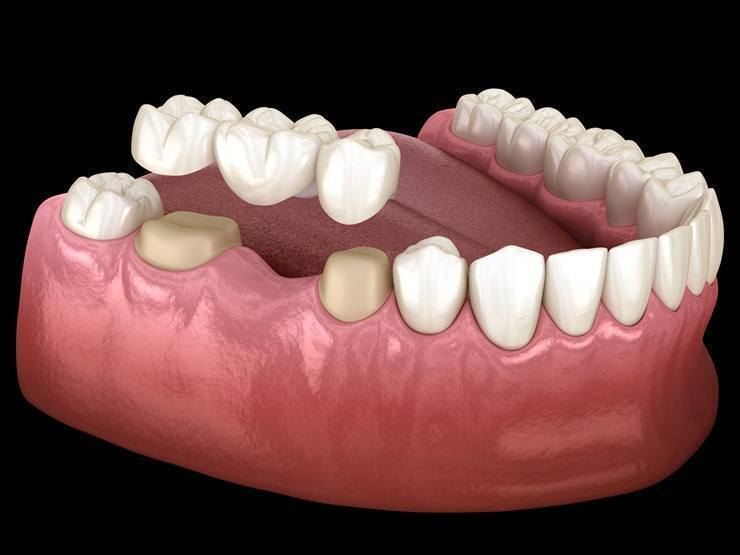
A dental bridge is another common way to replace one or more missing teeth. As the name suggests, it fills the gap between existing teeth. A traditional bridge typically uses crowns placed on the teeth next to the gap to support an artificial tooth in between.
Unlike a removable denture, a conventional bridge stays in place. You don’t take it out at night, and it can provide a comfortable, natural-looking replacement when properly designed and maintained.
Why Choose a Dental Bridge?
A bridge can be a practical option if you want to replace a missing tooth without undergoing implant surgery. It may also be appropriate when the neighboring teeth already need crowns.
Some potential advantages include:
- A fixed replacement that stays in your mouth
- Improved chewing and appearance
- No implant surgery required
- A treatment timeline that may be shorter than implant treatment
However, a traditional bridge usually requires reshaping the neighboring teeth to accommodate the supporting crowns. Those teeth must be healthy and strong enough to support the restoration. Bridges also don’t replace the missing tooth root, so bone loss may continue beneath the gap.
Cleaning beneath the artificial tooth is important, too. Your dentist may recommend special flossing tools or other cleaning aids to help keep the supporting teeth and gums healthy.
Which Tooth Replacement Option Fits Your Needs?
Choosing between implants, bridges, and dentures can feel overwhelming at first. The easiest way to start is to think about how many teeth you’re missing and what matters most to you, whether that’s stability, convenience, treatment time, or cost.
If you’re exploring tooth replacement options, visit our dental office located at 20406 Redwood Rd Ste C1, Castro Valley, CA 94546, United States. At Valley View Dental, you can discuss your concerns, learn about available treatments, and find out which options may be suitable for your oral health needs.
The right recommendation should be based on a dental examination, not simply on which treatment sounds best in theory.
3. Dentures: Replacing Several or All Missing Teeth
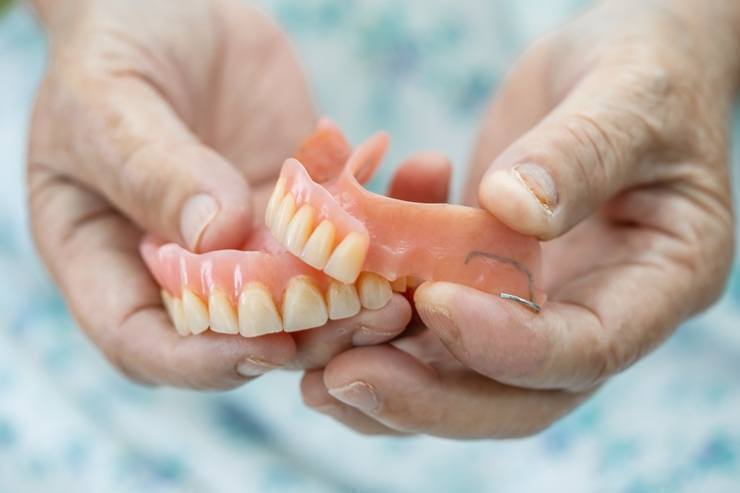
Dentures are removable appliances designed to replace missing teeth and the surrounding visible gum tissue when needed. They can be used to replace several teeth or an entire upper or lower arch.
There are two main types: partial dentures and complete dentures. Partial dentures replace some missing teeth while fitting around the remaining natural teeth. Complete dentures replace all the teeth in the upper or lower arch.
For many patients, dentures offer an accessible way to restore the appearance of a smile and improve chewing function.
What Are the Benefits of Dentures?
Dentures can replace multiple missing teeth without requiring an implant for every tooth. Depending on your needs, they may also be made without extensive surgery.
Common benefits include:
- Replacing several or all missing teeth
- Restoring facial appearance and smile aesthetics
- Helping improve speech and chewing
- Offering removable options that can be adjusted or replaced as needed
Traditional dentures can take time to get used to. You may notice changes in speech, increased saliva, or sore spots during the adjustment period. Your dentist can make adjustments to improve comfort and fit.
Over time, changes in your gums and jawbone may cause dentures to become loose. Regular dental visits help determine whether they need relining, adjustment, or replacement.
What About Implant-Supported Dentures?
If conventional dentures feel loose or move while you eat, implant-supported dentures may be another option. These dentures attach to dental implants for improved stability. Some designs can be removed for cleaning, while others are fixed in place.
The number of implants needed and the type of restoration depend on your jawbone, oral health, and treatment goals. Implant-supported dentures generally cost more than conventional dentures and require surgery, but they can offer greater stability for appropriate candidates.
Dental Implants vs. Bridges vs. Dentures: What’s the Difference?
Each option serves a different purpose, so there isn’t one universal winner.
- Dental implants: Often suitable for replacing individual teeth or supporting larger restorations. They require surgery and healing time but can help preserve bone around the implant.
- Dental bridges: A fixed option that can replace one or more teeth without implant surgery, although traditional bridges rely on neighboring teeth for support.
- Dentures: Removable appliances that can replace several or all missing teeth. They may be less expensive initially, but fit and comfort can change over time.
Cost varies widely depending on how many teeth need replacement, the materials used, whether additional procedures are necessary, and your dental insurance coverage. Ask for a treatment plan that explains the total expected cost, maintenance needs, and any alternatives.
How Can You Make Your Tooth Replacement Last?
No matter which option you choose, daily care and regular dental visits play an important role in maintaining your results.
Brush twice a day with fluoride toothpaste and clean between your natural teeth and restorations as recommended. If you have implants, pay particular attention to cleaning around them. For bridges, use suitable tools to clean beneath the artificial tooth. Dentures should be cleaned daily and handled according to your dentist’s instructions.
Avoid using your teeth to open packages or bite hard objects, and contact your dentist if you notice pain, looseness, swelling, or a change in how your restoration fits.
Remember, replacing missing teeth is only one part of protecting your oral health. Keeping your remaining teeth and gums healthy is just as important.
Restore Your Smile with the Right Tooth Replacement Option
Missing teeth don’t have to keep you from enjoying your favorite foods or feeling confident about your smile. Dental implants, bridges, and dentures each offer practical benefits, and the best choice depends on your individual needs.
At Valley View Dental, we can help you understand your options and determine which treatments may work for you. Whether you’re missing one tooth or several, a dental evaluation is a good first step toward a healthier, more comfortable smile.
Ready to explore your options? Contact Valley View Dental in Castro Valley to schedule an appointment and discuss a personalized tooth replacement plan.
Frequently Asked Questions
1. What are the best options for replacing missing teeth?
A: The three most common tooth replacement options are dental implants, dental bridges, and dentures. Implants replace missing tooth roots, bridges use neighboring teeth for support, and dentures can replace several or all missing teeth. The best choice depends on your oral health, budget, and treatment goals.
2. Are dental implants better than bridges or dentures?
A: Dental implants may offer greater stability and help preserve jawbone around the implant site. However, bridges and dentures can be suitable alternatives depending on your needs. Your dentist can evaluate your teeth, gums, and jawbone to recommend an appropriate option.
3. How long do dental implants, bridges, and dentures last?
A: Dental implants can last many years with proper care, and the attached crowns may need replacement over time. Dental bridges often last around 5–15 years, while dentures may need adjustment, relining, or replacement as your mouth changes. Individual results vary depending on oral hygiene, fit, and other factors.
4. Are dental implants more expensive than bridges and dentures?
A: Dental implants generally have a higher initial cost because they involve surgery and may require additional procedures. Bridges and traditional dentures may cost less initially. The total cost depends on the number of teeth being replaced, materials, insurance coverage, and your individual treatment needs.