Missing teeth can affect much more than your appearance. They can make eating certain foods difficult, change the way you speak, and even impact your confidence during everyday conversations. Fortunately, modern dentures offer reliable solutions that restore both function and comfort. If you’re considering tooth replacement, one of the first decisions you’ll face is whether complete dentures or partial dentures are the better choice for your needs.
The right option depends on several factors, including the number of missing teeth, the health of your remaining teeth, and your long-term oral health goals. Understanding the differences between these two types of dentures can help you make a confident, informed decision with your dentist.
At Valley View Dental, located at 20406 Redwood Rd Ste C1, Castro Valley, CA 94546, USA, we work closely with every patient to recommend the most suitable tooth replacement option. Here’s what you should know before choosing between complete and partial dentures.
What Are Complete Dentures?
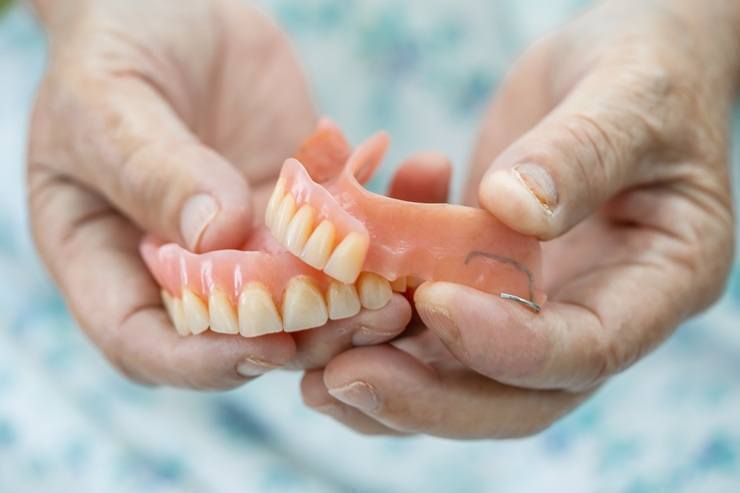
Complete dentures are designed for individuals who have lost all of their natural teeth in either the upper jaw, lower jaw, or both.
These removable prosthetic appliances replace an entire arch of teeth while also restoring the appearance of the gums. Modern complete dentures are carefully customized to fit comfortably and provide a natural-looking smile.
Complete dentures help patients:
- Restore chewing ability
- Improve speech
- Support facial muscles
- Enhance appearance
- Increase confidence during daily activities
Depending on your treatment plan, complete dentures may be placed after the gums have healed following extractions or immediately after teeth are removed.
What Are Partial Dentures?
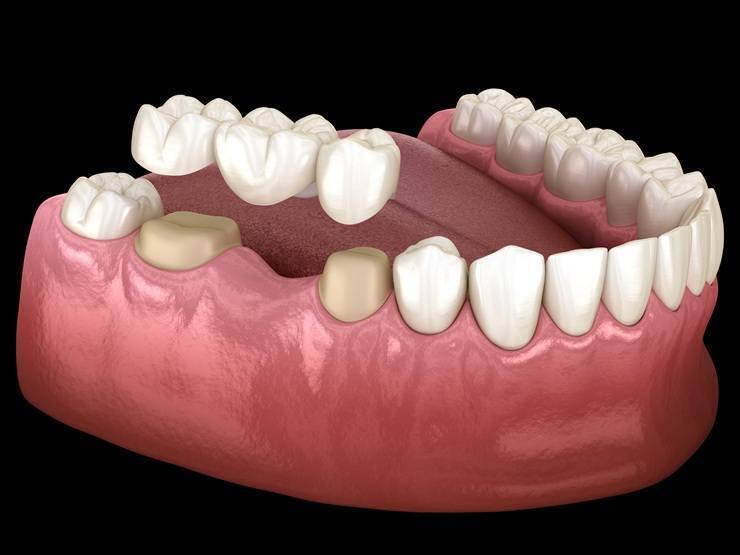
Partial dentures are recommended when some healthy natural teeth remain.
Instead of replacing an entire arch, a partial denture fills the gaps created by missing teeth while attaching securely to neighboring natural teeth. This design helps maintain proper tooth alignment and prevents remaining teeth from shifting into empty spaces.
Partial dentures are customized to blend naturally with your existing teeth, allowing you to enjoy improved chewing, speaking, and appearance without replacing healthy teeth unnecessarily.
For many patients, partial dentures provide an excellent balance between function and preservation of natural tooth structure.
How Do You Know Which Option Is Right for You?
Choosing between complete and partial dentures starts with evaluating your current oral health.
Your dentist will consider factors such as:
- The number of missing teeth
- The condition of your remaining teeth
- Gum health
- Bone support
- Bite alignment
- Overall oral health
- Long-term treatment goals
If several remaining teeth are healthy and stable, preserving them with partial dentures is often the preferred option. However, if all teeth have been lost or cannot be saved, complete dentures typically provide the most practical solution.
Every patient’s situation is unique, making a comprehensive dental evaluation essential before beginning treatment.
The Benefits of Complete Dentures
Complete dentures offer several advantages for patients who no longer have healthy natural teeth.
Some key benefits include:
Restored appearance
Replacing missing teeth helps support facial muscles, reducing the sunken appearance that often develops after tooth loss.
Improved chewing
Complete dentures allow many patients to enjoy a wider variety of foods compared to living without teeth.
Better speech
Replacing missing teeth helps improve pronunciation and communication.
Custom fit
Modern dentures are individually designed to create a comfortable fit while closely matching natural tooth shape and color.
With proper care, complete dentures can significantly improve everyday comfort and quality of life.
The Benefits of Partial Dentures
When healthy natural teeth remain, partial dentures provide several unique advantages.
Benefits include:
Preserving healthy teeth
Rather than removing healthy teeth, partial dentures work alongside them.
Preventing tooth movement
Replacing missing teeth helps keep neighboring teeth from drifting out of position.
Maintaining bite balance
A complete bite supports more efficient chewing and even distribution of biting forces.
Natural appearance
Today’s partial dentures are designed to blend with existing teeth for a seamless look.
Keeping healthy natural teeth whenever possible is generally beneficial for long-term oral health.
Lifestyle Considerations Matter Too
Beyond oral health, your daily lifestyle also plays an important role in choosing the right denture option.
Patients should consider:
- Eating habits
- Speech requirements
- Comfort preferences
- Ease of cleaning
- Long-term maintenance
- Budget
- Future treatment plans
Patients interested in dentures in Castro Valley often discuss these lifestyle factors during their consultation to ensure their chosen treatment supports both their oral health and everyday routine.
An individualized treatment plan helps ensure your dentures fit comfortably into your lifestyle.
Caring for Your Dentures
Whether you choose complete or partial dentures, proper maintenance helps keep them functioning well for years.
Daily care includes:
- Cleaning dentures every day using appropriate products
- Rinsing after meals
- Removing dentures overnight if recommended
- Soaking dentures as instructed
- Brushing remaining natural teeth and gums
- Attending regular dental checkups
Good oral hygiene protects both your dentures and your overall oral health.
Will Dentures Feel Different at First?
It’s completely normal for dentures to require an adjustment period.
Initially, patients may notice:
- Increased saliva production
- Minor soreness
- Difficulty pronouncing certain words
- Changes in chewing habits
These sensations usually improve as your mouth adapts to the new appliance.
Following your dentist’s instructions and attending adjustment appointments helps improve comfort and fit during the transition.
Can Dentures Be Combined with Dental Implants?
For some patients, dental implants may be used to provide additional support for dentures.
Implant-supported dentures offer several potential benefits, including:
- Increased stability
- Reduced slipping
- Improved chewing efficiency
- Greater confidence while speaking
- Better preservation of jawbone
Not every patient is a candidate for implant-supported dentures, but your dentist can discuss whether this option is appropriate based on your oral health and treatment goals.
Trust Valley View Dental for Personalized Denture Solutions
Choosing between complete and partial dentures is an important decision that depends on your unique oral health, lifestyle, and long-term goals. Understanding the benefits of each option allows you to make an informed choice that restores your ability to eat, speak, and smile comfortably.
At Valley View Dental, conveniently located at 20406 Redwood Rd Ste C1, Castro Valley, CA 94546, USA, our experienced team provides personalized denture solutions designed to fit your needs and enhance your quality of life. Whether you’re replacing several teeth or an entire arch, we’ll guide you through every step of the process with compassionate care and customized treatment recommendations.
Frequently Asked Questions
What is the difference between complete and partial dentures?
Complete dentures replace all the teeth in the upper or lower jaw, while partial dentures replace one or more missing teeth and work alongside your remaining natural teeth.
Who is a good candidate for partial dentures?
Patients who still have several healthy natural teeth may benefit from partial dentures, as they preserve existing teeth while filling gaps.
Are complete dentures comfortable?
Modern complete dentures are custom-made for each patient. While there is an adjustment period, most patients become comfortable wearing them with time and proper adjustments.
How long do dentures last?
With proper care and regular dental visits, dentures can last several years. However, they may eventually require adjustments, relining, or replacement as your mouth changes.