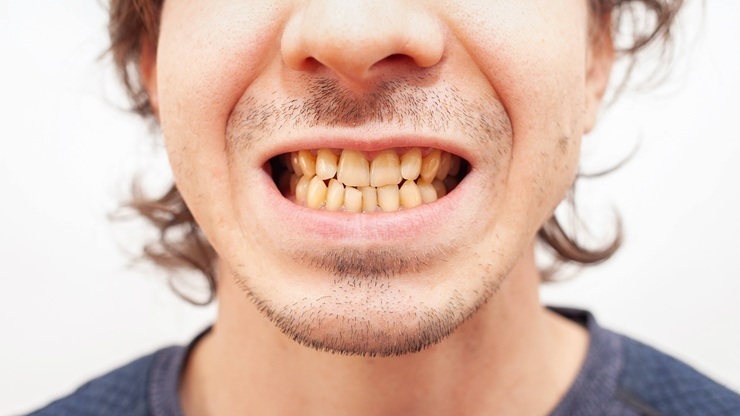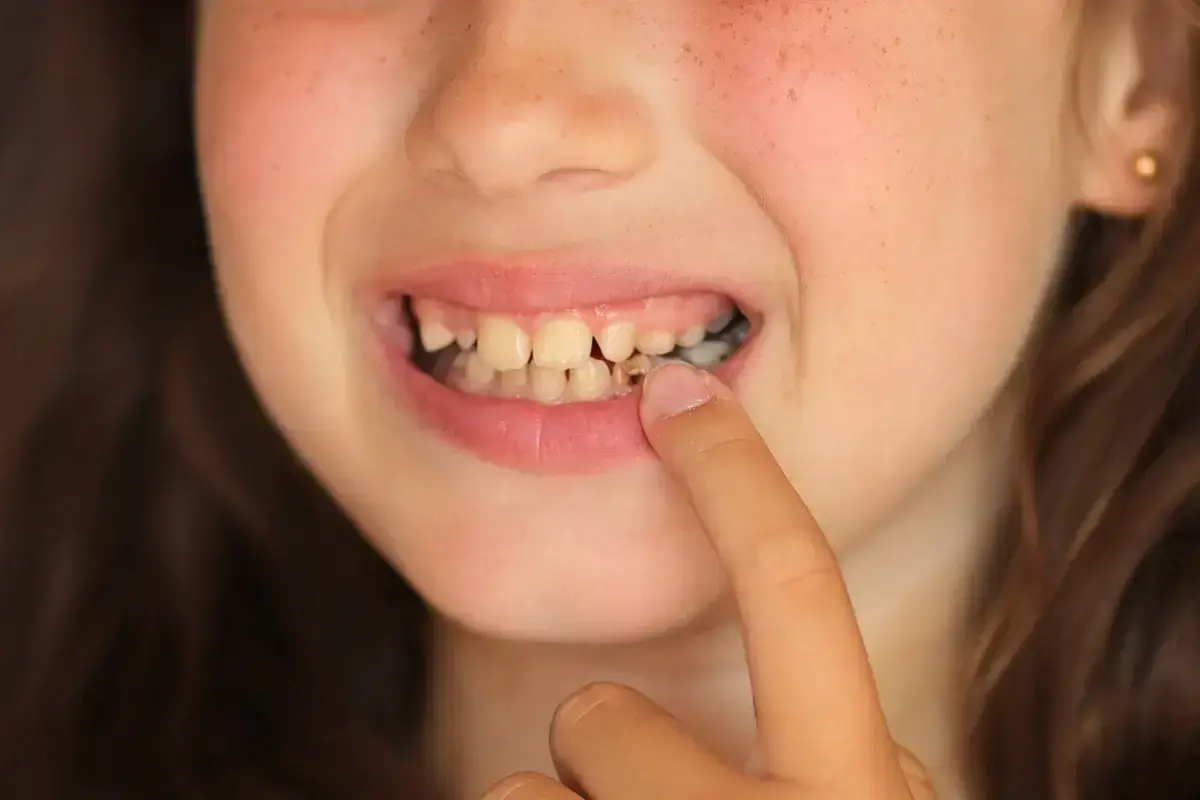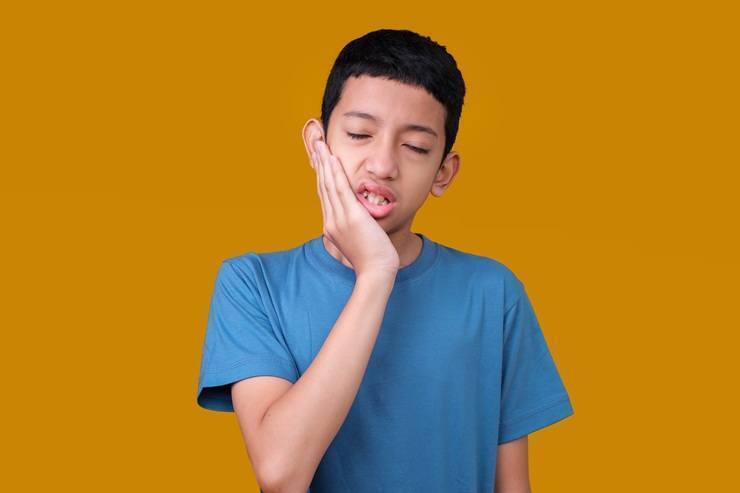
A child’s toothache often leads parents to think of one common culprit—a cavity. While tooth decay is certainly one of the most frequent reasons for dental discomfort, it isn’t the only possible cause. Tooth pain can also signal an injury, an infection, a developing dental abscess, gum inflammation, or even issues related to incoming permanent teeth. Ignoring persistent discomfort may allow a small problem to become much more serious.
Knowing when a toothache requires immediate attention can help protect your child’s oral health and prevent unnecessary pain. The key is understanding that not every toothache is the same. Paying attention to your child’s symptoms and seeking prompt professional care can make a significant difference in preserving healthy teeth.
At Valley View Dental, located at 20406 Redwood Rd Ste C1, Castro Valley, CA 94546, USA, we believe that early diagnosis is the best way to keep children’s smiles healthy and comfortable. Let’s take a closer look at what a toothache may be trying to tell you.
Why Children Experience Toothaches
Children’s teeth go through many changes as they grow. Baby teeth erupt, permanent teeth develop beneath the gums, and daily eating habits expose teeth to different levels of wear and bacteria.
A toothache develops when the nerves inside or around a tooth become irritated. This irritation may be temporary or may indicate an underlying condition that requires treatment.
Common causes include:
- Tooth decay
- Food trapped between teeth
- Gum irritation
- Dental injuries
- Tooth infections
- Emerging permanent teeth
- Teeth grinding
- Cracked or chipped teeth
While some causes are relatively minor, others require prompt dental care to prevent complications.
A Cavity Isn’t Always the Whole Story
Cavities are a leading cause of tooth pain in children, but persistent discomfort can point to a more advanced problem.
If decay reaches the inner portion of the tooth, known as the pulp, bacteria can infect the nerves and blood vessels inside. At this stage, the pain often becomes more severe and may continue even after eating or drinking.
In some cases, children experience pain without having a visible cavity at all. Trauma, infection, or gum disease may produce similar symptoms.
This is why professional evaluation is important whenever tooth pain lasts longer than a day or continues to worsen.
Tooth Injuries Can Cause Hidden Damage
Children are naturally active, and falls, playground accidents, and sports injuries are common.
Even if a tooth appears normal after an accident, the impact may damage the tooth’s nerve or supporting structures beneath the surface.
Watch for signs such as:
- Pain when biting
- Tooth discoloration
- Swelling around the gums
- Sensitivity to temperature
- A loose tooth after trauma
Dental X-rays often reveal injuries that cannot be seen during a simple visual examination.
Dental Infections Need Immediate Attention
One of the most serious causes of tooth pain is infection.
When bacteria enter the inner portion of the tooth, an abscess may develop near the root. Left untreated, the infection can spread to surrounding tissues and affect your child’s overall health.
Warning signs include:
- Persistent throbbing pain
- Swollen gums
- Facial swelling
- Bad taste in the mouth
- Fever
- Difficulty chewing
A dental infection should never be ignored. Prompt treatment helps relieve discomfort while preventing the infection from becoming more severe.
Gum Problems Can Also Cause Tooth Pain
Sometimes the tooth itself is perfectly healthy, but the surrounding gum tissue is inflamed.
Poor brushing habits, trapped food particles, or plaque buildup may irritate the gums, leading to tenderness and discomfort.
Children with gum irritation may notice:
- Red gums
- Bleeding during brushing
- Swollen tissue
- Bad breath
- Mild soreness
Professional cleanings and improved oral hygiene often resolve these problems before they progress.
Could New Teeth Be Causing the Pain?
As permanent teeth begin erupting, children may experience temporary soreness around the gums.
This discomfort is usually mild and short-lived. However, if a permanent tooth erupts incorrectly or lacks enough space, additional pressure may develop.
A pediatric dentist can determine whether the discomfort is part of normal dental development or whether treatment is needed.
Routine dental visits help monitor tooth eruption and identify alignment concerns early.
Teeth Grinding May Be the Hidden Cause
Many children grind or clench their teeth during sleep without realizing it.
Over time, this habit places extra pressure on the teeth, jaw muscles, and surrounding tissues.
Signs of nighttime grinding include:
- Morning jaw soreness
- Tooth sensitivity
- Worn tooth surfaces
- Headaches
- Facial discomfort
Your dentist can evaluate whether grinding is contributing to your child’s toothache and recommend appropriate treatment if necessary.
When Should Parents Call the Dentist?
Not every toothache requires emergency treatment, but certain symptoms should never be ignored.
Schedule a dental appointment promptly if your child has:
- Tooth pain lasting longer than 24 hours
- Pain while chewing
- Swollen gums or face
- Fever with tooth pain
- A chipped or broken tooth
- Persistent sensitivity
- Tooth discoloration
- Bleeding around the affected tooth
Early evaluation often allows simpler treatment and helps prevent more extensive dental procedures later.
What Parents Can Do Before the Appointment
While waiting to see the dentist, there are several ways to help your child remain comfortable.
Parents can:
- Rinse the mouth gently with warm water.
- Encourage careful brushing around the painful area.
- Remove any trapped food using dental floss.
- Apply a cold compress to reduce swelling.
- Offer soft foods until the appointment.
Avoid placing aspirin directly on the gums, as this can irritate the soft tissues.
Most importantly, avoid delaying professional care if the pain continues or worsens.
Prevention Is Always Better Than Treatment
Although some dental injuries are unavoidable, many toothaches can be prevented through consistent preventive care.
Healthy habits include:
- Brushing twice daily with fluoride toothpaste
- Flossing every day
- Eating a balanced diet low in sugary snacks
- Drinking plenty of water
- Wearing mouthguards during sports
- Visiting the dentist every six months
Families looking for Children’s Dentistry in Castro Valley, CA can benefit from routine preventive visits that help identify small concerns before they become painful problems.
How Regular Dental Visits Protect Your Child’s Oral Health
Routine dental examinations do much more than check for cavities.
During each visit, your dentist evaluates:
- Tooth development
- Gum health
- Bite alignment
- Signs of grinding
- Early decay
- Existing dental restorations
- Eruption of permanent teeth
Professional cleanings remove plaque and tartar that cannot always be eliminated with brushing alone.
These appointments provide valuable opportunities to detect developing concerns before children experience pain.
Trust Valley View Dental for Compassionate Pediatric Dental Care
A toothache should never be dismissed as “just another cavity.” While tooth decay is common, pain may also signal an injury, infection, gum problem, or another condition requiring professional care. Prompt diagnosis not only relieves discomfort but also helps preserve healthy teeth and supports proper oral development.
At Valley View Dental, conveniently located at 20406 Redwood Rd Ste C1, Castro Valley, CA 94546, USA, our caring team is committed to providing gentle, personalized dental care for children in a welcoming environment. Whether your child has a persistent toothache, a dental injury, or simply needs a routine checkup, we are here to help your family maintain healthy smiles at every stage of development.
Frequently Asked Questions
Can a toothache mean something other than a cavity?
Yes. Tooth pain may result from an infection, dental injury, gum inflammation, teeth grinding, or erupting permanent teeth in addition to cavities.
When should I take my child to the dentist for a toothache?
If the pain lasts more than 24 hours, becomes severe, is accompanied by swelling or fever, or follows a dental injury, schedule a dental visit as soon as possible.
Can a tooth infection spread?
Yes. An untreated dental infection can spread to nearby tissues and may affect your child’s overall health. Prompt treatment is essential.
Is it normal for erupting permanent teeth to cause pain?
Mild soreness is common as permanent teeth emerge. However, persistent or severe pain should be evaluated by a dentist to rule out other concerns.